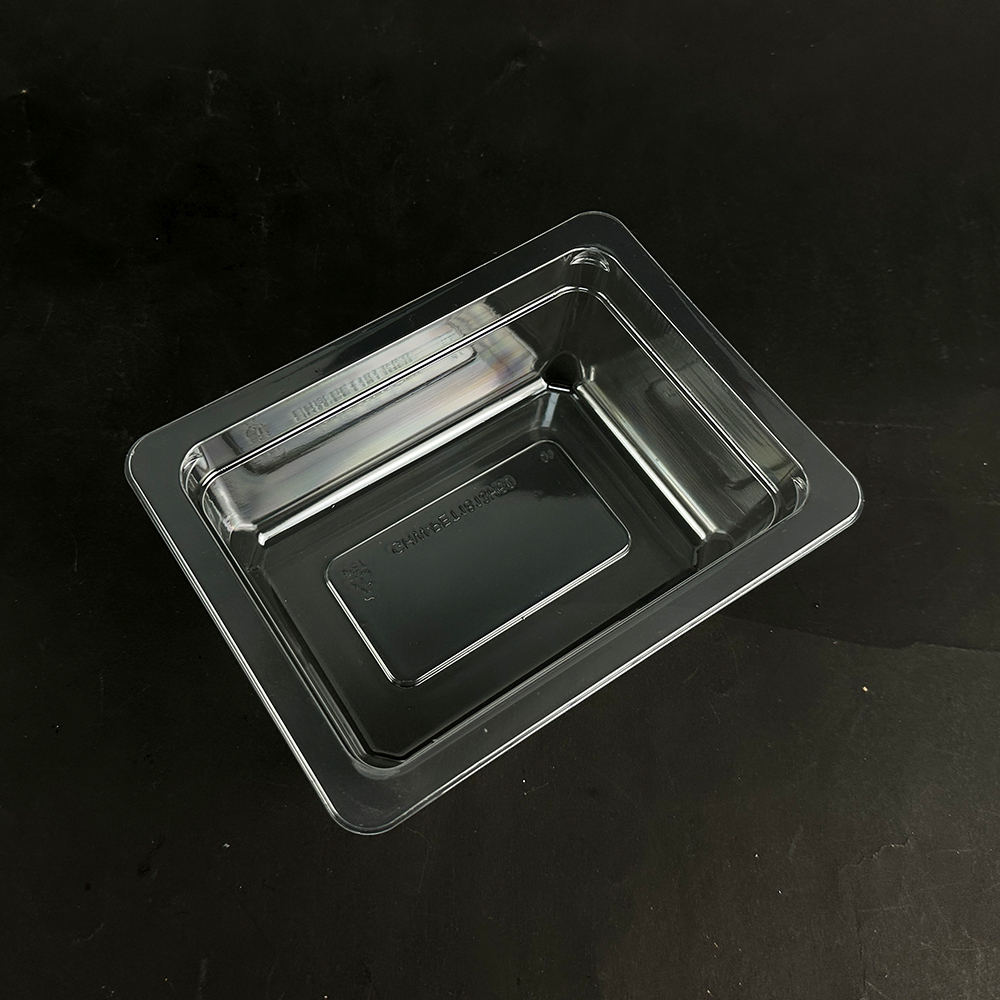
Food Modified Atmosphere Packaging for Safety

All Categories
Review Full Line Catalog

Food modified atmosphere packaging

Modified atmosphere packaging (MAP) is a crucial innovation in food preservation that helps extend shelf life and maintain product quality. This packaging method alters the composition of the gases surrounding food products, effectively slowing down spoilage and enhancing safety. For B2B buyers, understanding the nuances of food modified atmosphere packaging is essential, as it directly impacts product longevity, safety standards, and overall satisfaction for consumers. This article will help purchasing managers, distributors, and product managers navigate the complexities of sourcing and utilizing disposable food packaging effectively.
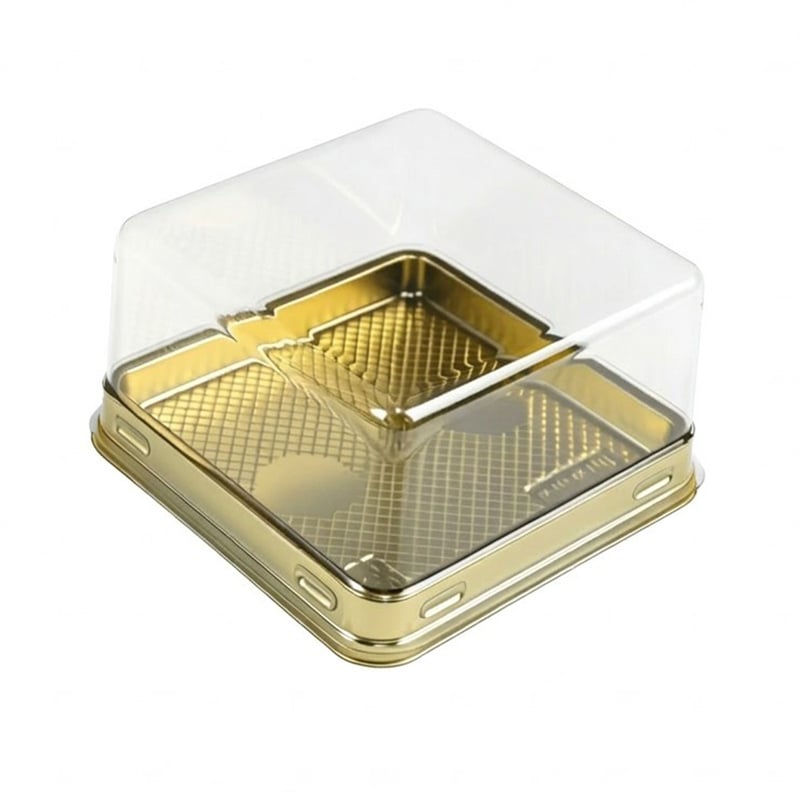
Our Products

Wholesale Purchasing Guide for Food Modified Atmosphere Packaging

Wholesale Purchasing Guide for Food Modified Atmosphere Packaging

When considering wholesale purchases of food modified atmosphere packaging, buyers should keep several key factors in mind. First, understanding the Minimum Order Quantity (MOQ) is critical, as it can vary significantly from one manufacturer to another. A well-established company, like Zhejiang Qunlu New Material Co., Ltd., may have flexible MOQs depending on the customization and specifications required. 

Second, buyers should assess the certifications of the supplier, such as FDA, BRC, and ISO certifications, which are indicators of quality and compliance with safety standards. These certifications ensure that the disposable food packaging suppliers materials are safe for food contact and meet international quality standards. 

Lastly, buyers should consider lead times and production capabilities. A manufacturer with advanced thermoforming technology can typically accommodate larger orders and custom designs more efficiently. It is essential to communicate specific needs, such as dimensions and material preferences, to ensure successful procurement.
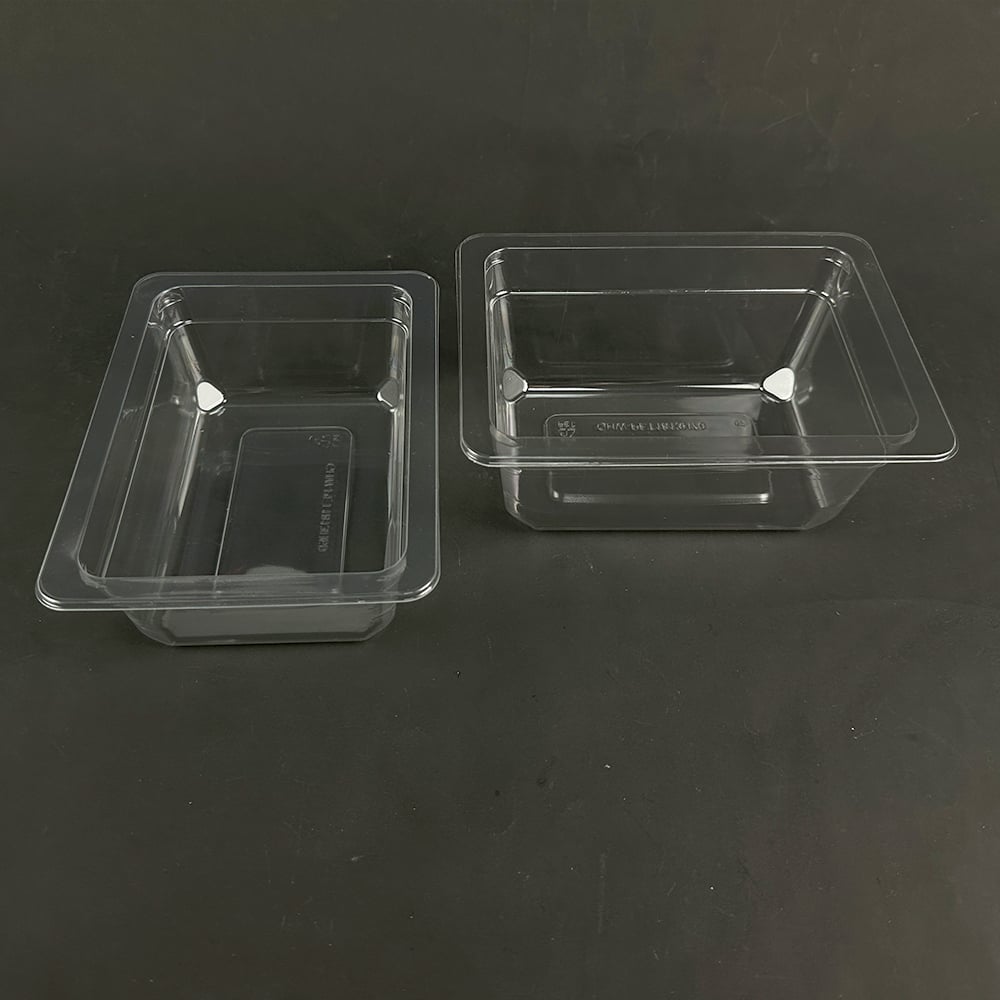
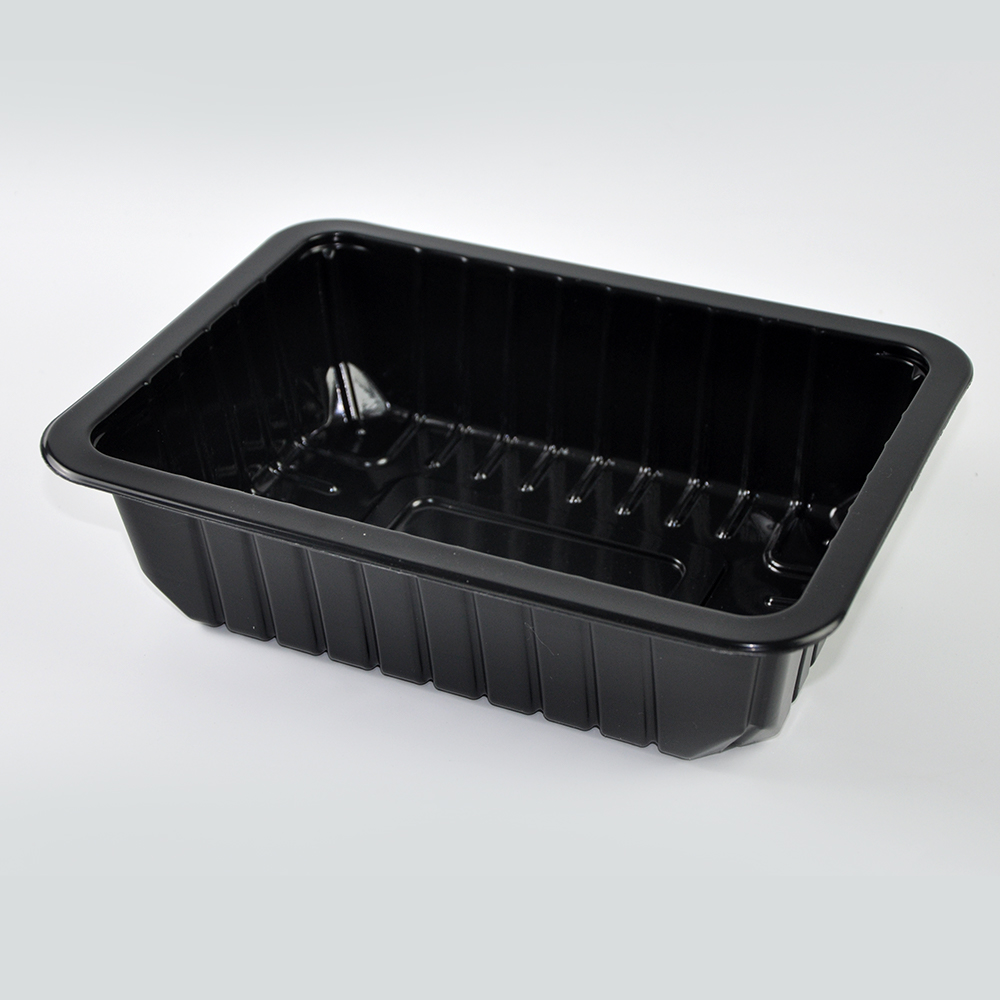
Sourcing Food Modified Atmosphere Packaging

Sourcing Food Modified Atmosphere Packaging

Sourcing food modified atmosphere packaging involves evaluating potential suppliers based on their manufacturing capabilities, product offerings, and customization options. Buyers should prioritize manufacturers that utilize advanced technology, such as German or Japanese thermoforming lines, as these are known for producing high-quality, consistent packaging solutions. 

Additionally, buyers should explore the supplier's experience in specific application industries. For instance, if your focus is on ready-to-eat meals, ensure the supplier has a proven track record in this segment. It is also beneficial to request samples to verify material quality and packaging performance before committing to larger orders. 

Moreover, consider the geography of the supplier. A manufacturer with export experience in your target markets can provide valuable insights into compliance with local regulations and standards, streamlining the importation process.

Common Problems with Food Modified Atmosphere Packaging and Solutions

Common Problems with Food Modified Atmosphere Packaging and Solutions

Despite its advantages, QUNLU food modified atmosphere packaging can present challenges during the manufacturing and use phases. One common issue is the potential for leaks, which can compromise the modified atmosphere and lead to spoilage. To mitigate this risk, buyers should perform thorough quality inspections of the packaging, looking for defects in seals and ensuring the integrity of the material. 

Another challenge can arise from the selection of inappropriate materials. For example, a packaging solution that is too permeable may not maintain the desired atmosphere for perishable goods. Buyers should work closely with suppliers to understand how different materials affect barrier properties and select the most suitable options based on the intended application. 

Lastly, it is important to recognize that the effectiveness of MAP can vary based on storage conditions. Buyers should be aware of the impact of temperature and humidity on the performance of the fruit packaging supplies and should communicate these factors to their suppliers when discussing product specifications. 

Cost Factors to Consider When Buying Food Modified Atmosphere Packaging

When purchasing QUNLU food modified atmosphere packaging, several cost factors should be considered to ensure a comprehensive understanding of total expenses. The initial unit price is just one aspect; buyers should also evaluate the long-term costs related to spoilage rates, which can occur if the packaging does not perform as expected. 

Customizations, such as printing or unique sizes, can also influence pricing. While it may be tempting to opt for the lowest initial price, it is essential to consider the total cost of ownership, which includes the quality and reliability of the packaging. 

Additionally, freight costs can vary based on the supplier's location and the shipping method chosen. Buyers should factor in these costs when calculating the overall budget for their packaging needs. A supplier with efficient logistics solutions can help minimize these expenses, making it an important consideration during the sourcing process. 

In summary, understanding food modified atmosphere packaging is essential for B2B buyers looking to enhance food safety and extend the shelf life of their products. By considering the factors outlined, buyers can make informed decisions that align with their business needs and ensure the successful procurement of effective packaging solutions.

Understanding Modified Atmosphere Packaging for Food Safety

Modified atmosphere packaging involves replacing the air surrounding food with a controlled mixture of gases, typically nitrogen, carbon dioxide, and oxygen. This process inhibits microbial growth and slows the oxidation of food, which can lead to spoilage. For B2B buyers, understanding the specific gas ratios and their effects on different food types is vital. 

For example, high oxygen levels can be beneficial for fresh produce as it supports respiration, but it may not be ideal for meat products, which require lower oxygen levels to prevent spoilage. Buyers should evaluate their product's unique requirements and confirm the appropriate gas composition with their supplier. Additionally, the choice of materials used in MAP is crucial—polypropylene and polyethylene are common choices due to their barrier properties, which help maintain the desired atmosphere.

Frequently Asked Questions

What is food modified atmosphere packaging (MAP)?

MAP replaces ambient air inside packaging with a controlled gas mix to extend shelf life, preserve freshness, and protect appearance for perishable foods like meat, produce, and prepared meals.
We manufacture MAP-compatible cups, trays, clamshells, and containers using thermoforming lines, tailored to product size, barrier needs, and sealing methods.
Yes. Our materials and processes comply with FDA standards and are supported by BRC and ISO certifications to ensure food safety and quality.
Yes. We offer OEM and ODM services, customizing design, barrier properties, and labeling to meet brand requirements and regulatory specifications.
Yes. We prioritize sustainable material choices and efficient thermoforming production to reduce waste while maintaining barrier performance and product safety.

Related product categories

Get a Free Quote

Our representative will contact you soon.
Email
Name
Company Name
Message
0/1000
Attachment
Please upload at least an attachment
Upload up to 3 files (maximum 30 MB). Supported formats: JPG, JPEG, PNG, PDF, DOC, DOCX, XLS, XLSX, CSV, TXT, STP, STEP, IGS, X_T, DXF, PRT, SLDPRT, SAT, RAR, ZIP.