EN

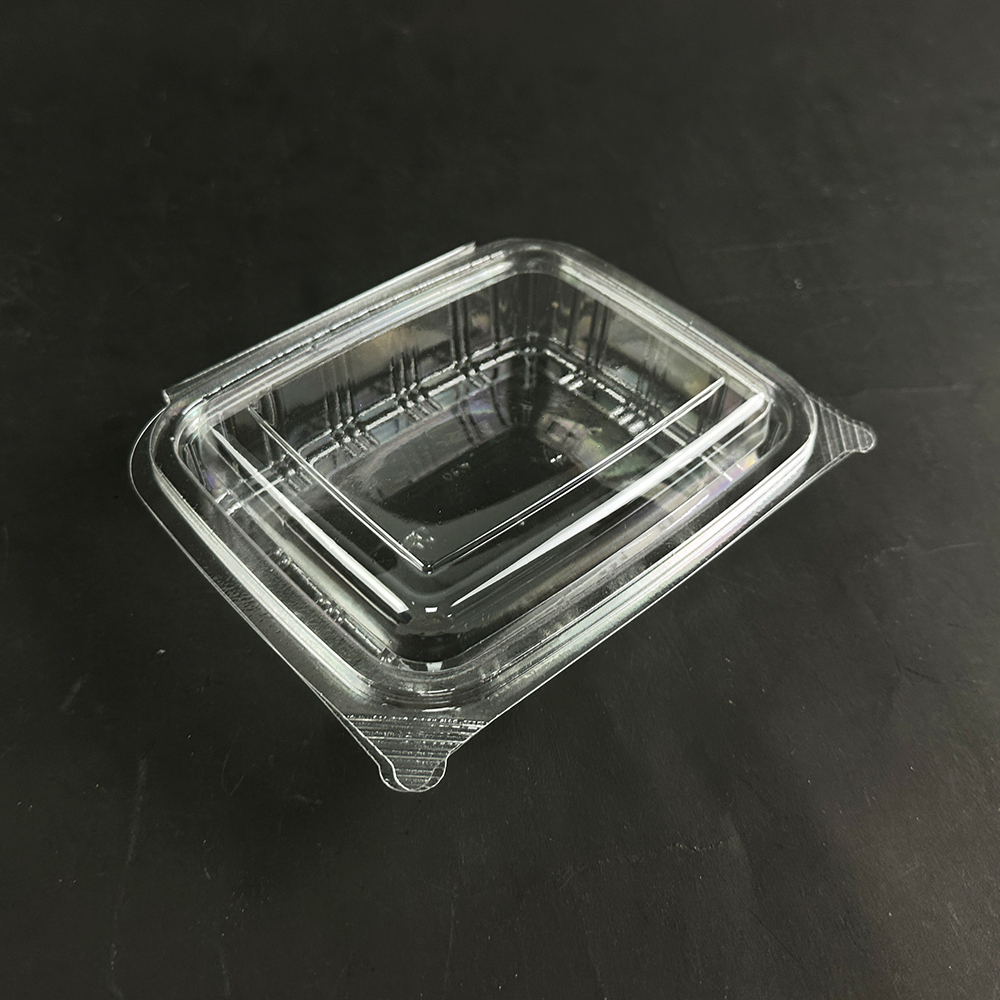
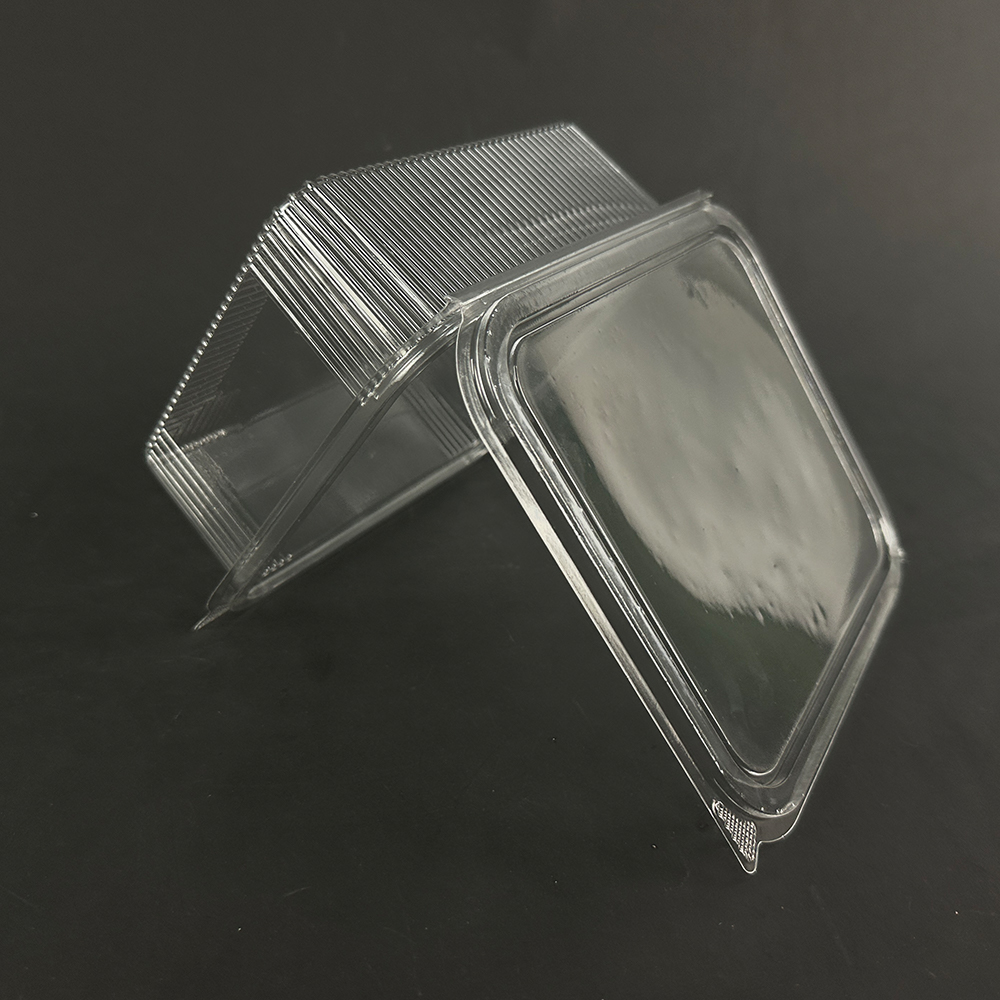
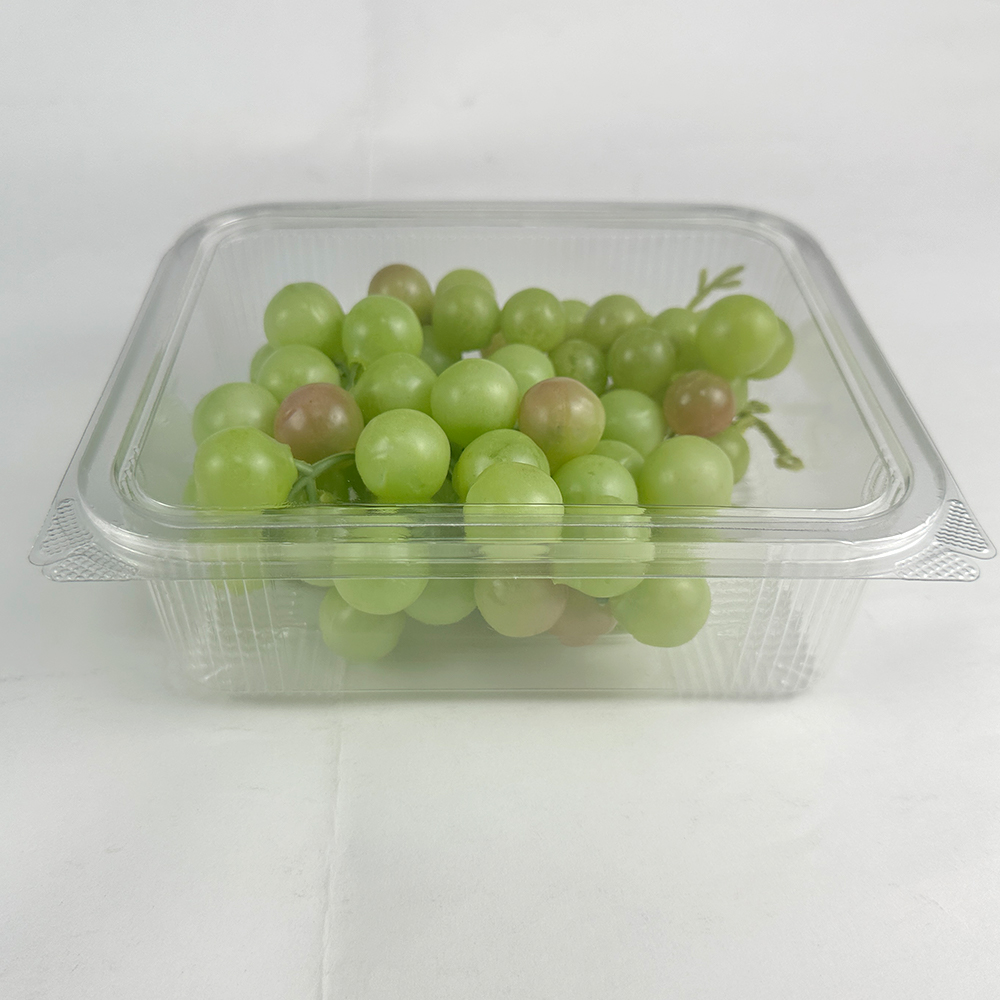
Clamshell packaging plastic is a versatile and widely used option in the food packaging industry, particularly for fresh produce, baked goods, and take-out meals. B2B buyers, including purchasing managers and product managers, are often concerned about the material quality, cost efficiency, and production capabilities when sourcing clamshell packaging. This article will provide essential insights on specifications, cost considerations, material advantages, sourcing strategies, and cost factors in disposable food packaging, helping you make informed purchasing decisions.

Cost and Efficiency
Cost efficiency is a critical consideration in clamshell packaging procurement. Several factors influence the overall cost:
Material Costs: The choice of material significantly impacts pricing. For example, PET is generally more expensive than PS but offers superior clarity and recyclability, which might justify the higher price for eco-conscious brands.
Production Volume: Higher volume orders often lead to lower per-unit costs. Understanding minimum order quantities (MOQs) and negotiating bulk pricing with suppliers can yield significant savings.
Manufacturing Process: The complexity of the clamshell design and the manufacturing method can affect production costs. Thermoforming, which Zhejiang Qunlu New Material Co., Ltd. specializes in, allows for efficient production of complex shapes but may require specific mold designs that could add to initial costs.
Logistics and Shipping: Consider the shipping logistics and costs associated with large orders. Efficient packaging can reduce shipping volume, thereby lowering transportation costs.
By analyzing these cost factors, buyers can optimize their procurement strategy to achieve a balance between quality and affordability.