Fruit Packaging Plastic Solutions for Freshness

All Categories
Review Full Line Catalog

Fruit packaging plastic

Choosing the right fruit packaging plastic is essential for maintaining product freshness and ensuring compliance with safety standards. As a purchasing manager or distributor, your main concerns likely revolve around the material's quality, cost-effectiveness, and suitability for specific applications. This article will help you navigate these considerations to make informed decisions when selecting fruit packaging. This article will help you to understand the product more, so keep on reading it all. 
Our Products

Key Applications for Fruit Packaging Plastic in the Food Industry

Key Applications for Fruit Packaging Plastic in the Food Industry

Evaluating the quality of fruit packaging plastics requires attention to various specifications. First, check for FDA, BRC, and ISO certifications, which indicate compliance with safety and quality standards. These certifications assure that the materials are safe for direct food contact and adhere to industry best practices. 

Next, consider the physical properties of the plastic. Thickness, for example, affects durability and protection. A thicker film may provide better protection against punctures and tears, but it can also add weight and increase shipping costs. Assess the clarity of the plastic; for retail packaging, clarity can enhance product visibility and attractiveness on shelves. 

Conducting performance tests is essential as well. A sample should be tested under actual storage conditions to evaluate its performance in terms of moisture retention, compatibility with the packaged fruit, and resistance to environmental factors such as temperature fluctuations. Buyers should ensure that these tests are part of the supplier's quality assurance processes.
Installation Guidance for Efficient Use of Fruit Packaging Plastic

Installation Guidance for Efficient Use of Fruit Packaging Plastic

Cost comparison is crucial when selecting QUNLU fruit packaging plastics. Factors influencing pricing include the type of material used, production methods, and the complexity of the design. For example, thermoformed trays may be more expensive than simple plastic bags, but they provide better protection and presentation for premium fruits. 

Additionally, consider the minimum order quantity (MOQ) and lead times associated with each option. Custom packaging may require higher MOQs, which can impact initial investment costs. Conversely, standard packaging solutions may offer lower prices due to economies of scale, making them more attractive for smaller operations. 

Lastly, assess the total cost of ownership rather than just the unit price. This includes shipping costs, storage requirements, and the potential for damaged products due to inadequate packaging. A lower initial cost may not always translate to savings if it results in higher spoilage rates or increased handling costs.

Common Problems with Fruit Packaging Plastic and Their Solutions

Common Problems with Fruit Packaging Plastic and Their Solutions

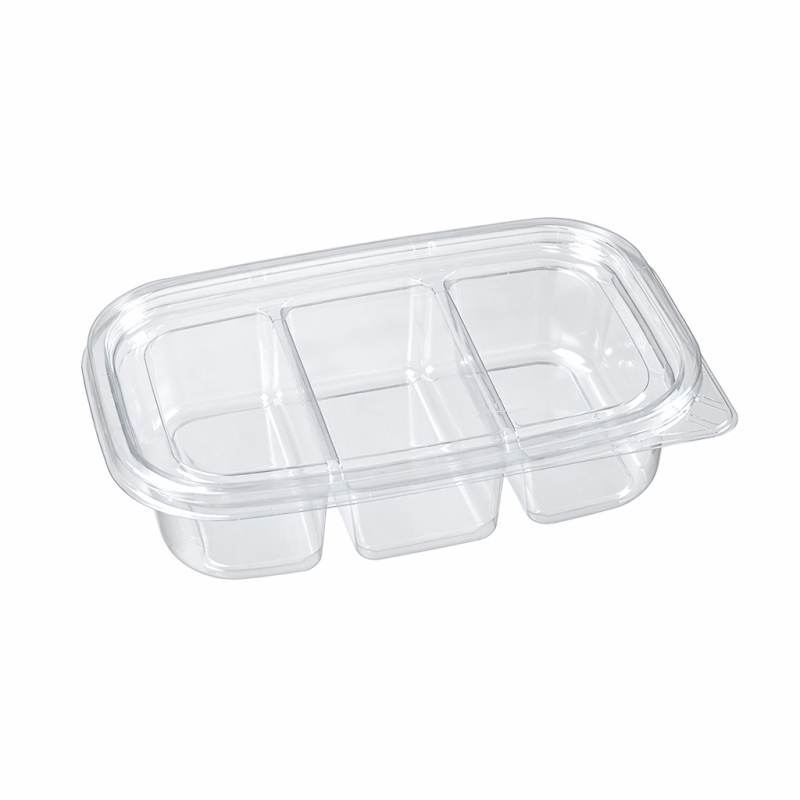
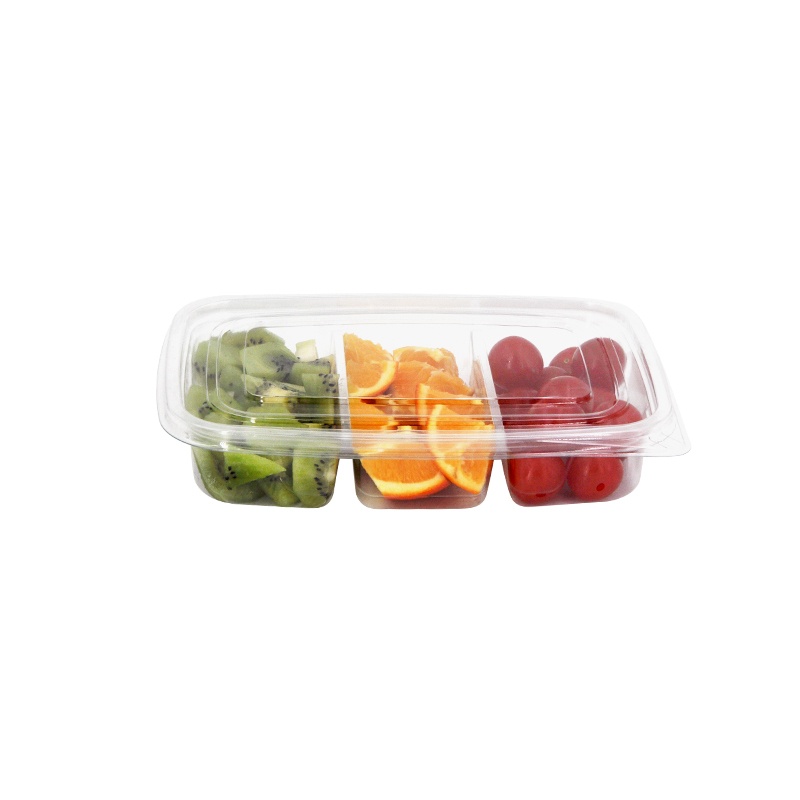
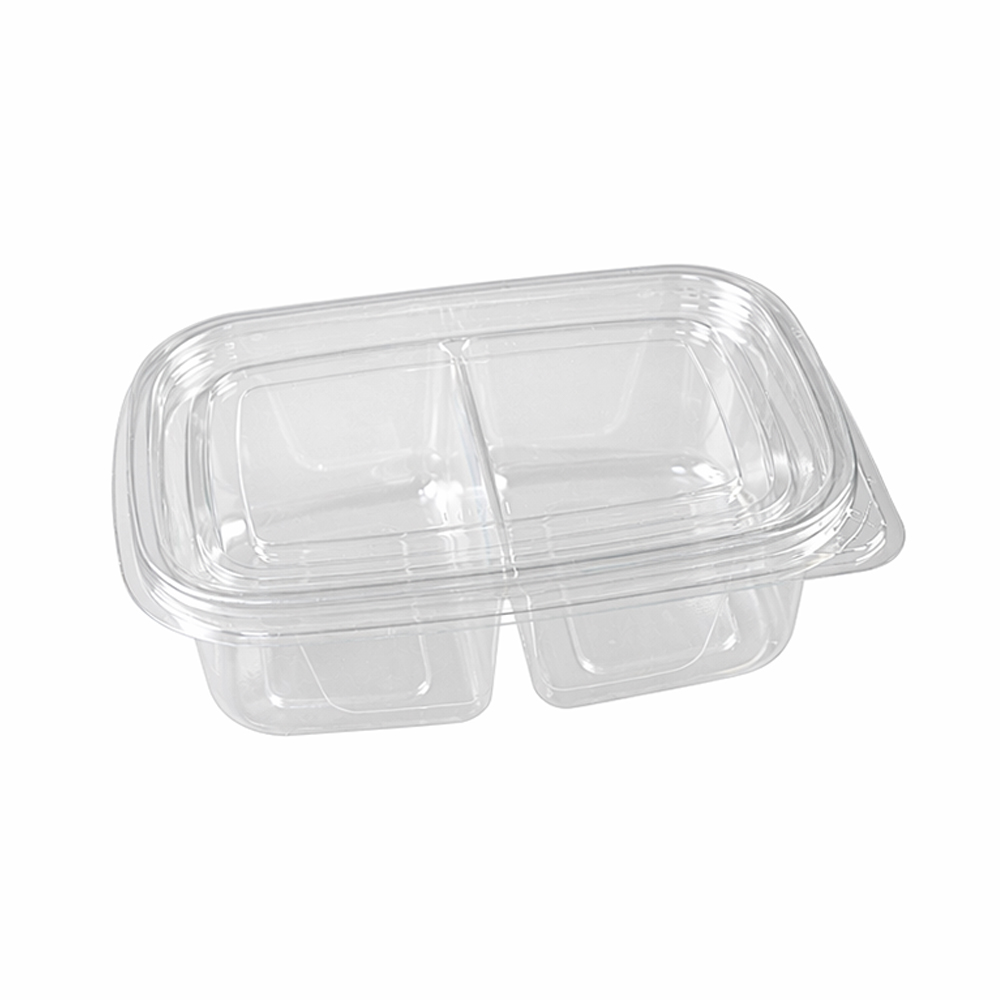
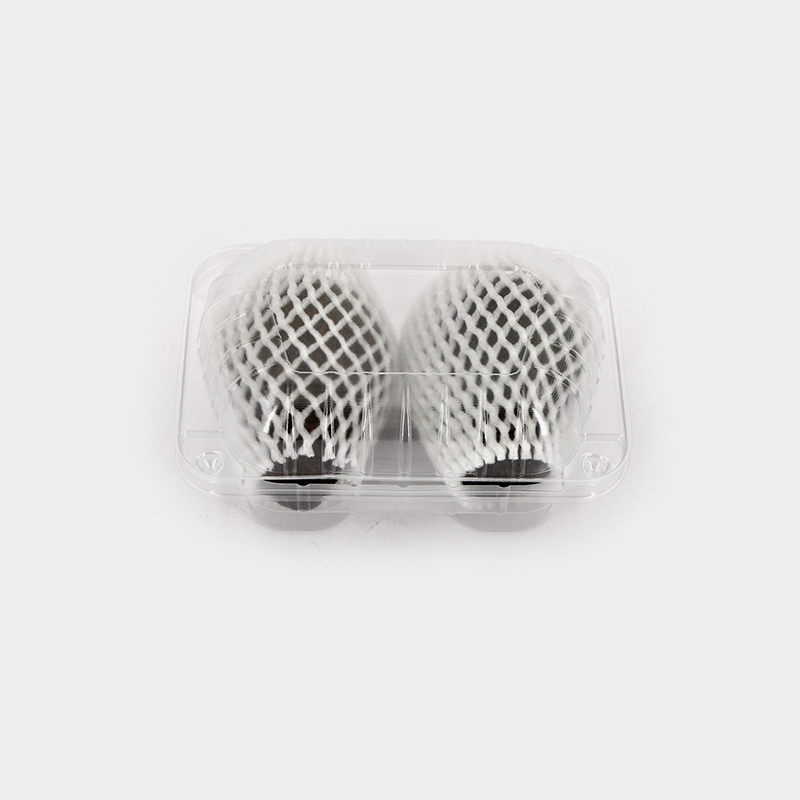
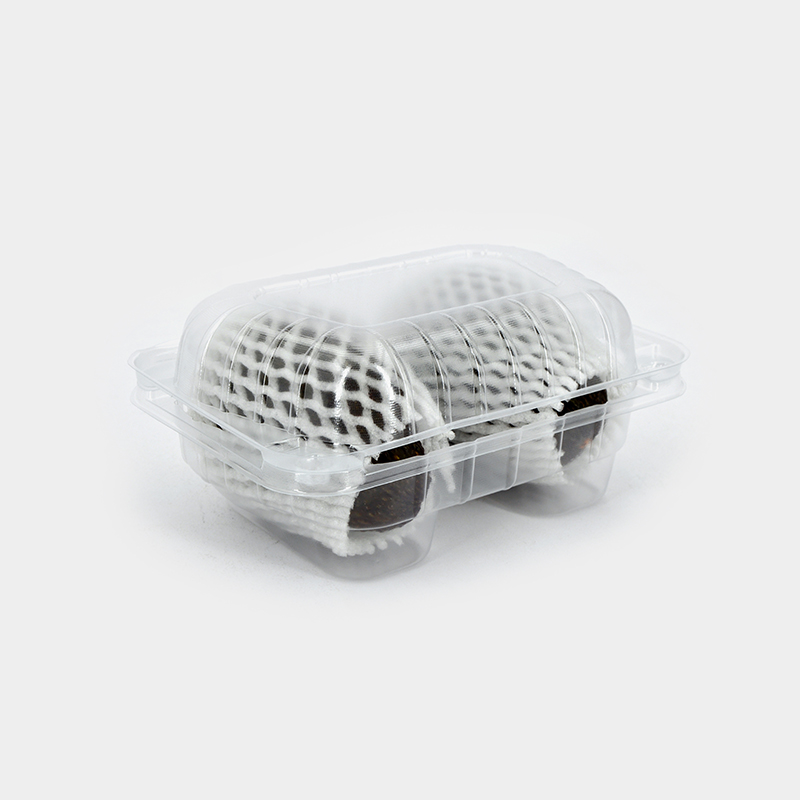
Fruit packaging plastics play a vital role in various applications within the food industry. They are used not only for direct packaging but also in transport and storage solutions. For instance, clamshell containers are commonly used for berries, providing protection during transport and display while allowing visibility for retail. 

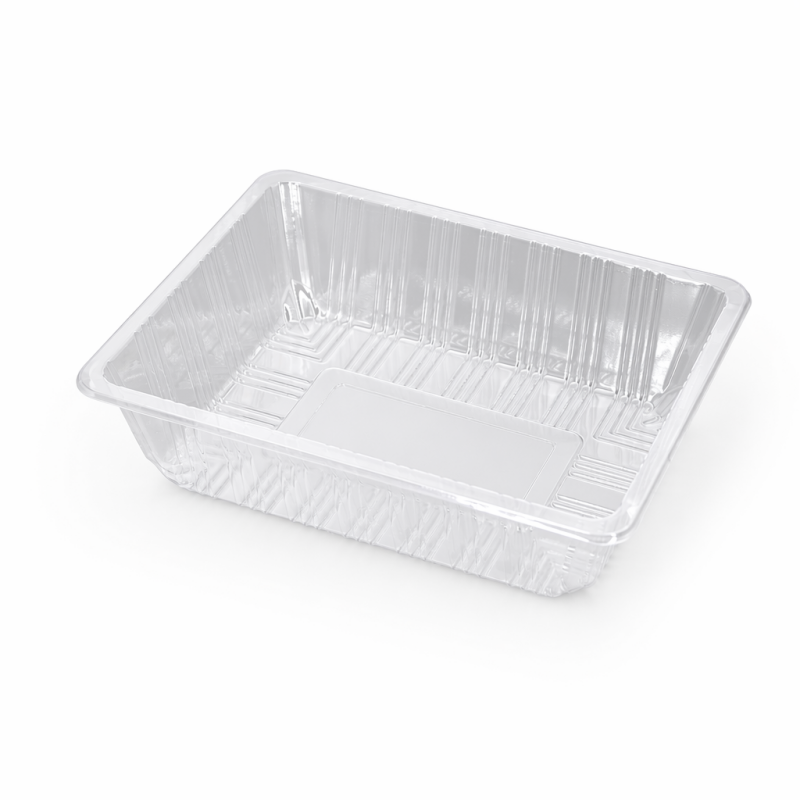
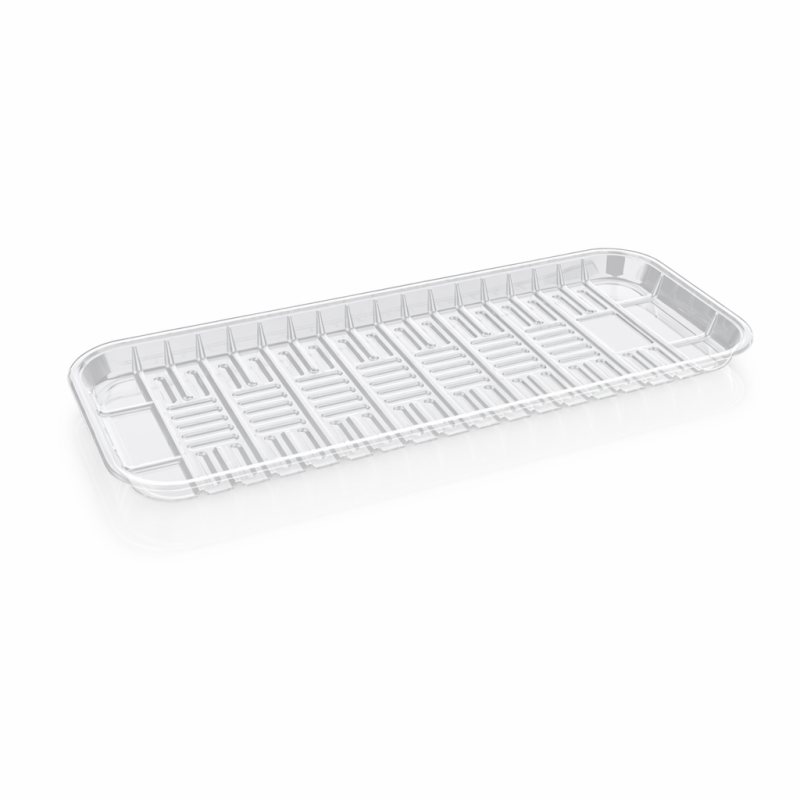
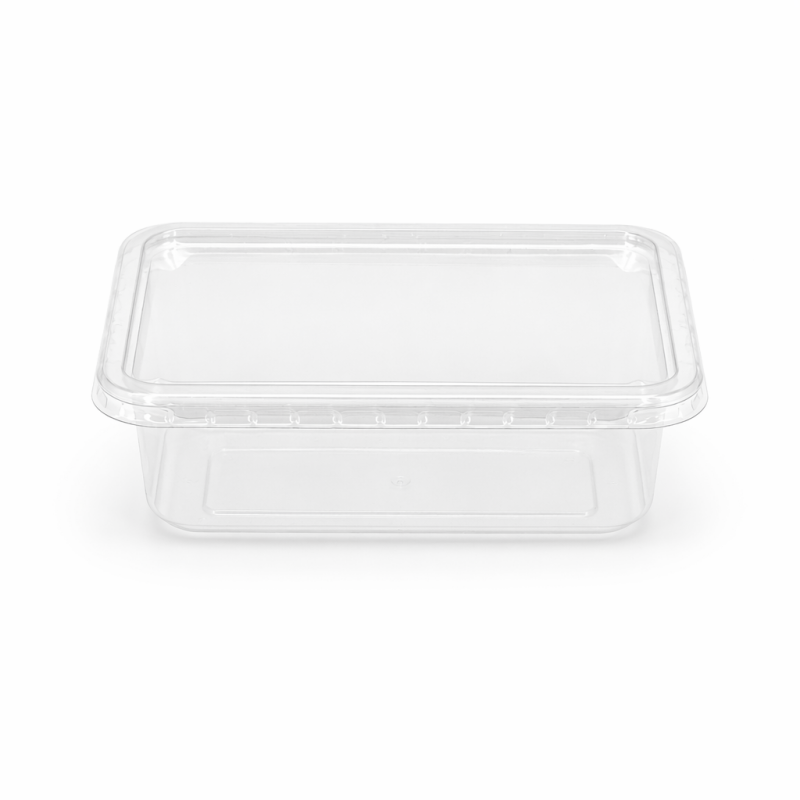
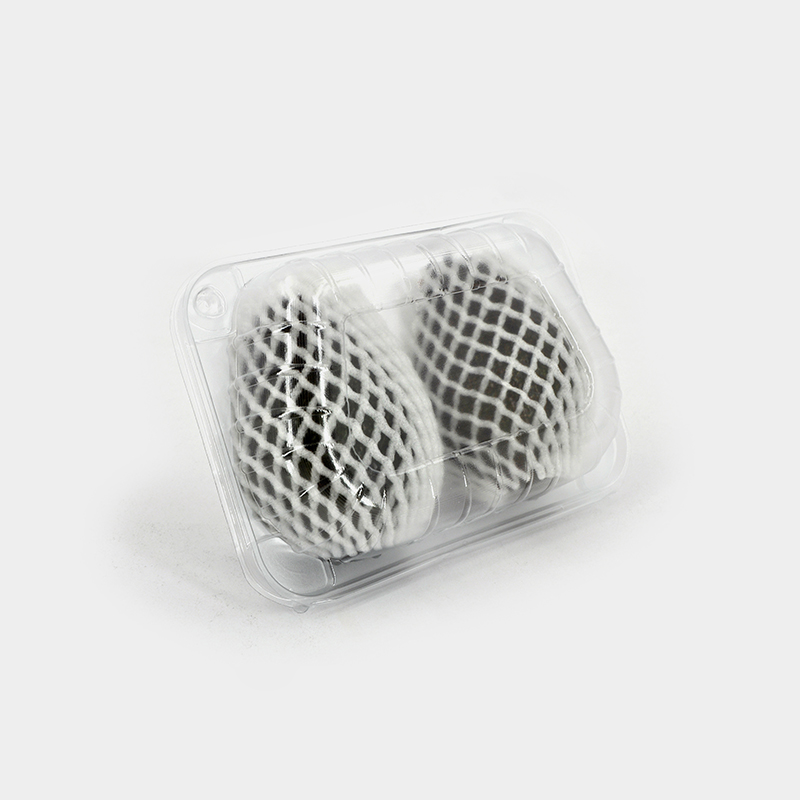
Thermoformed trays are another popular choice, particularly for sliced or prepared fruits. These trays can be molded to fit specific product shapes, ensuring that each piece is held securely, reducing movement during transit and minimizing damage. Additionally, the use of breathable films can extend shelf life by regulating gas exchange, making them ideal for sensitive fruits like avocados. 

In industrial settings, bulk fresh fruit packaging solutions—such as palletized containers—are essential for transporting large quantities of fruit. These solutions should be designed to withstand the rigors of shipping, including stacking and handling, while ensuring that the fruit remains in optimal condition. 

Quality and Performance Insights

When looking to buy bulk orders of fruit packaging plastic, consider suppliers with a proven track record in the industry, such as Zhejiang Qunlu New Material Co., Ltd. Engaging with suppliers that have established certifications (FDA, BRC, ISO) ensures that you receive high-quality products that meet safety standards. 

Start by requesting quotes from several manufacturers, providing them with detailed specifications such as the type of fruit, packaging dimensions, material preferences, and any customization needs. This will allow for accurate pricing and lead time estimates. 

Additionally, assess the supplier's production capabilities and capacity. Understanding their ability to handle large order volumes and their turnaround time for production can help you avoid delays in your supply chain. It’s also beneficial to inquire about their quality control processes to ensure consistency across orders. 

Finally, consider establishing a long-term partnership with a supplier who understands your business needs. This can lead to better pricing, more efficient communication, and improved service levels over time, ensuring that your fruit packaging solutions are reliable and effective.

Wholesale Pricing Options for Fruit Packaging Plastic Solutions

When selecting fruit packaging plastic, several key factors come into play. First, consider the type of fruit you’re packaging. Different fruits have varying needs in terms of moisture retention, gas exchange, and protection from physical damage. For instance, berries may require a breathable film to prevent moisture buildup, while citrus fruits might benefit from a sturdier, opaque container. 

Material selection is also critical. Common plastics used in plastic fruit packaging include polyethylene (PE), polypropylene (PP), and polystyrene (PS). Each material has distinct properties: PE is known for its flexibility and moisture barrier, while PP has a higher melting point and is suitable for hot fill applications. Understanding these properties will help you choose the right packaging that aligns with your product requirements. 

Additionally, consider customization options. Many manufacturers, like Zhejiang Qunlu New Material Co., Ltd., offer OEM and ODM services, allowing you to tailor designs, dimensions, and features such as tamper-evident seals or easy-opening designs. Customization can enhance your brand's visibility and improve user experience.

Frequently Asked Questions

What types of fruit packaging do you produce?

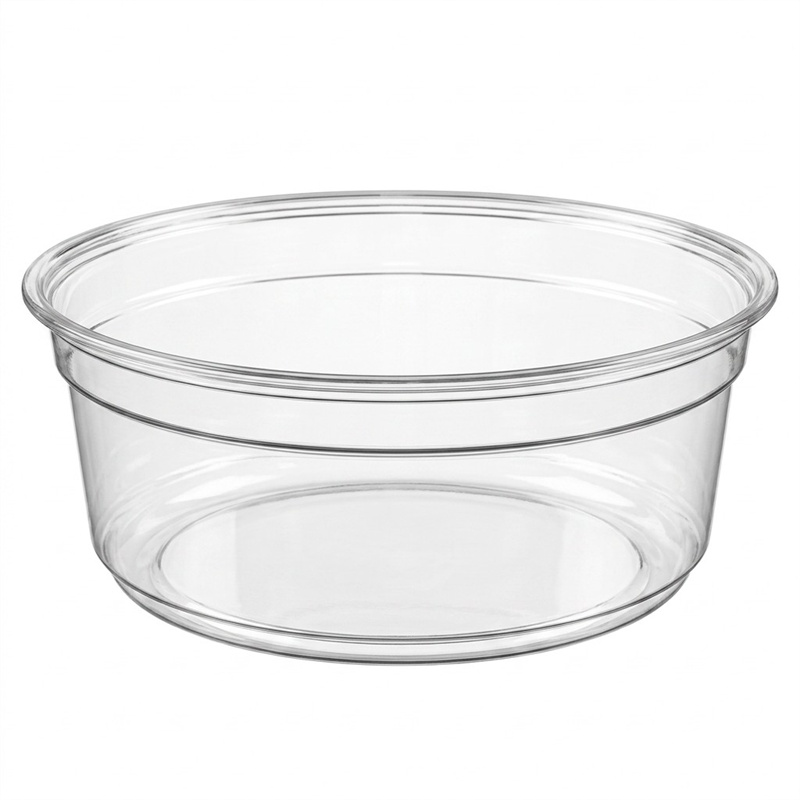
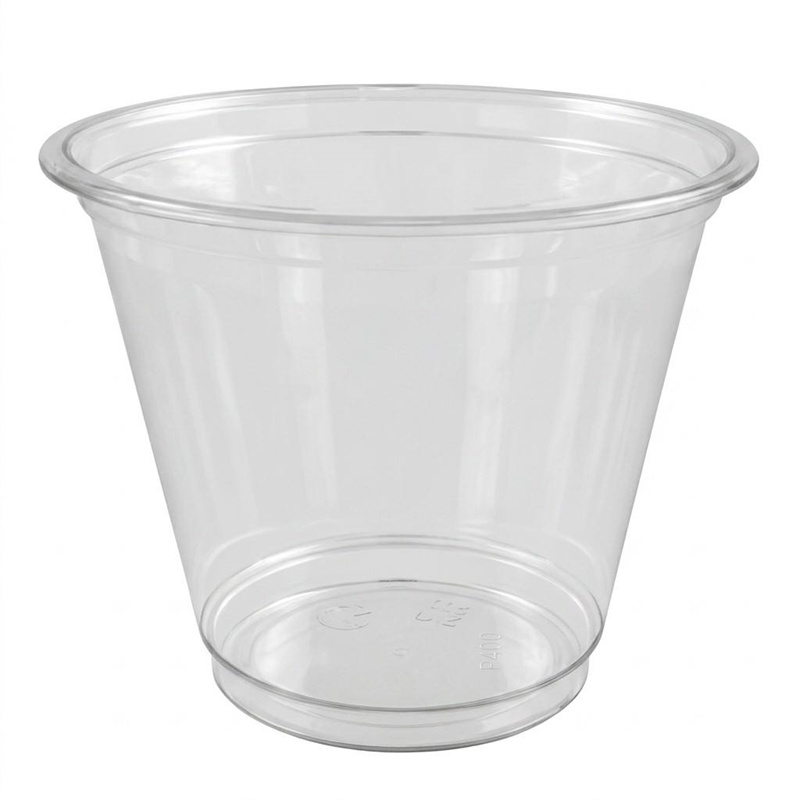
We manufacture thermoformed cups, trays, clamshells and containers designed for fruit display, storage and transport using high-quality food-grade plastics.
Yes. Our products comply with FDA standards and are produced in certified facilities holding BRC and ISO certifications to ensure food safety.
Yes. We offer OEM and ODM services, including custom sizes, shapes, printing and lidding to meet brand and retail requirements.
We use food-grade plastics suitable for thermoforming and offer recyclable and partially recycled material options to support sustainability goals.
We utilize German and Japanese thermoforming lines with strict quality control processes to ensure consistent safety, durability and appearance for global brands.

Related product categories

Get a Free Quote

Our representative will contact you soon.
Email
Name
Company Name
Message
0/1000
Attachment
Please upload at least an attachment
Upload up to 3 files (maximum 30 MB). Supported formats: JPG, JPEG, PNG, PDF, DOC, DOCX, XLS, XLSX, CSV, TXT, STP, STEP, IGS, X_T, DXF, PRT, SLDPRT, SAT, RAR, ZIP.