EN

Choosing the right fruit packaging plastic is essential for maintaining product freshness and ensuring compliance with safety standards. As a purchasing manager or distributor, your main concerns likely revolve around the material's quality, cost-effectiveness, and suitability for specific applications. This article will help you navigate these considerations to make informed decisions when selecting fruit packaging. This article will help you to understand the product more, so keep on reading it all.
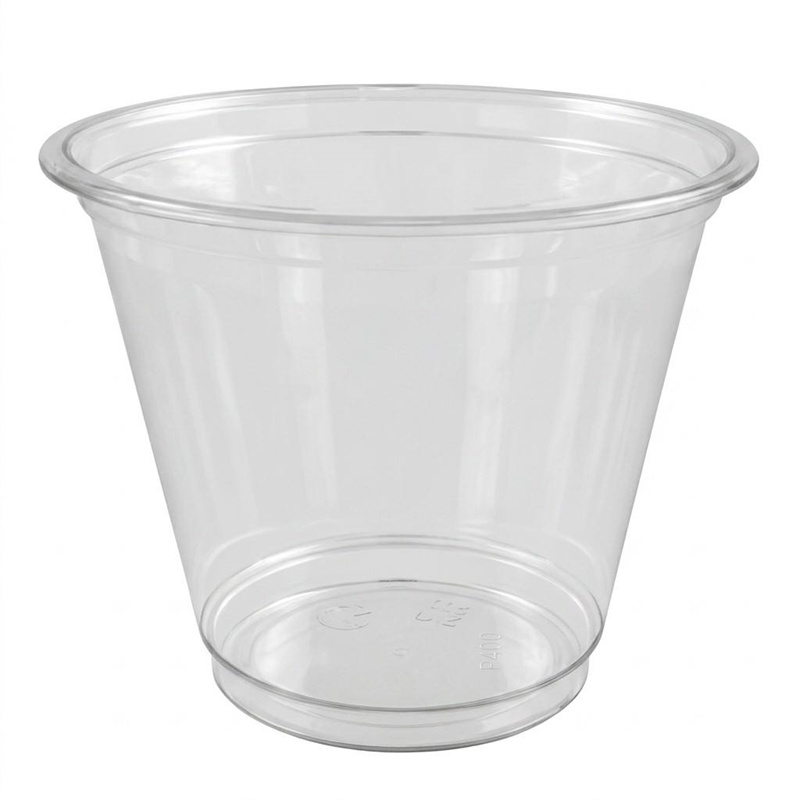
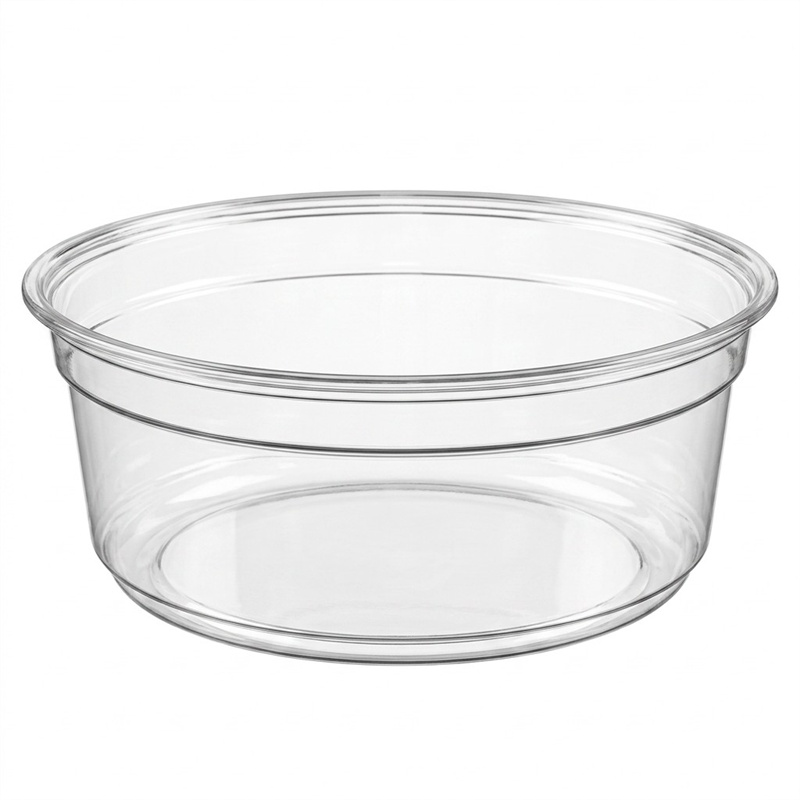
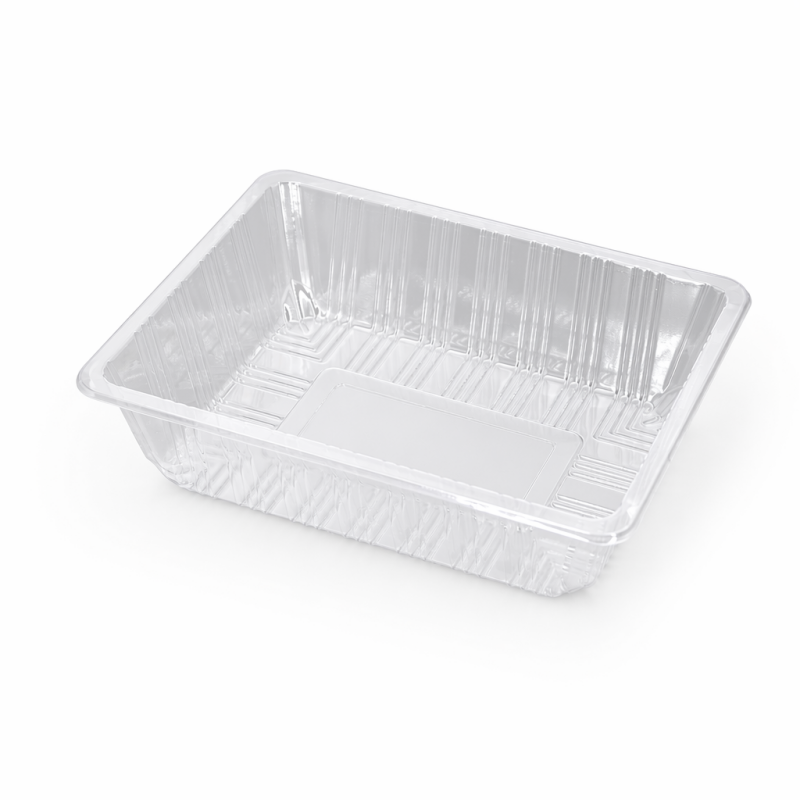
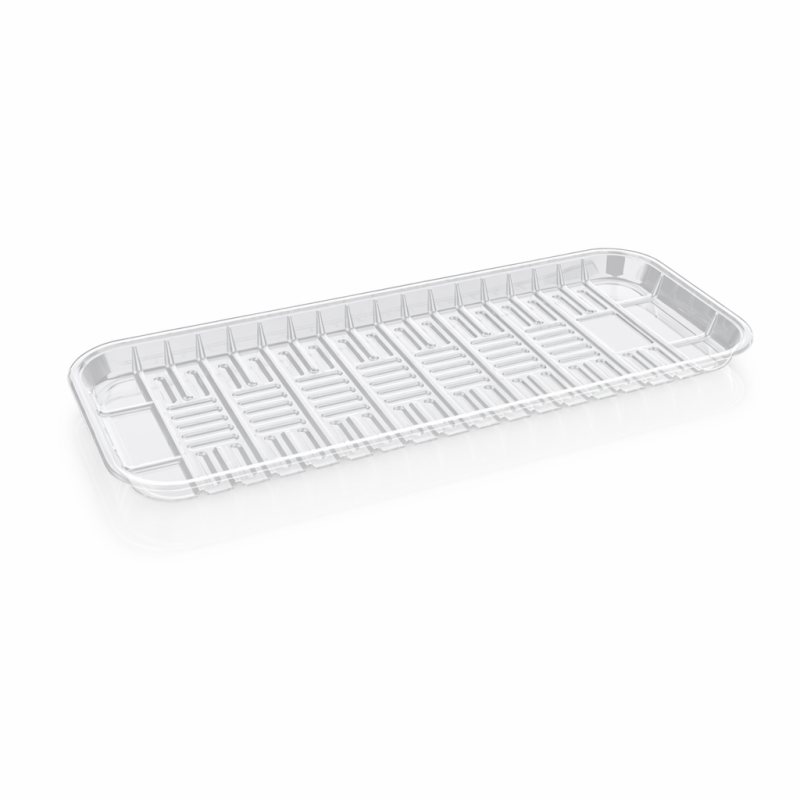
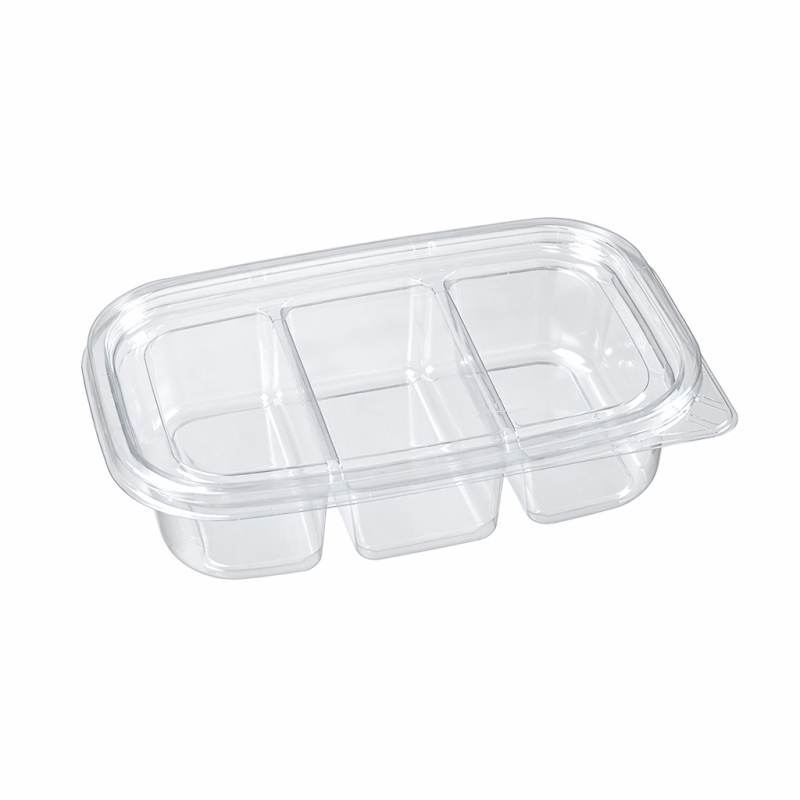
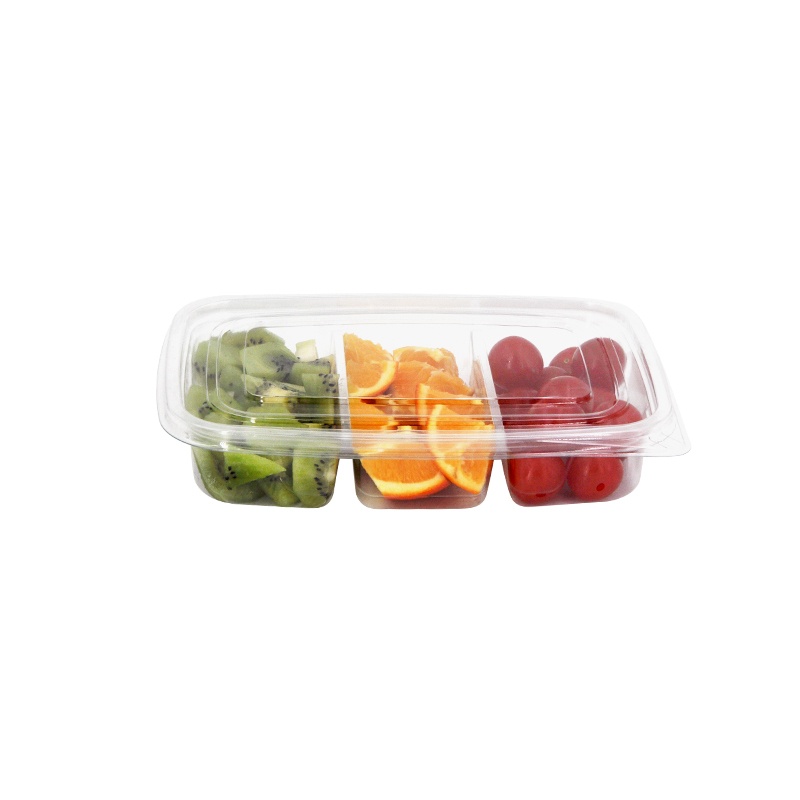
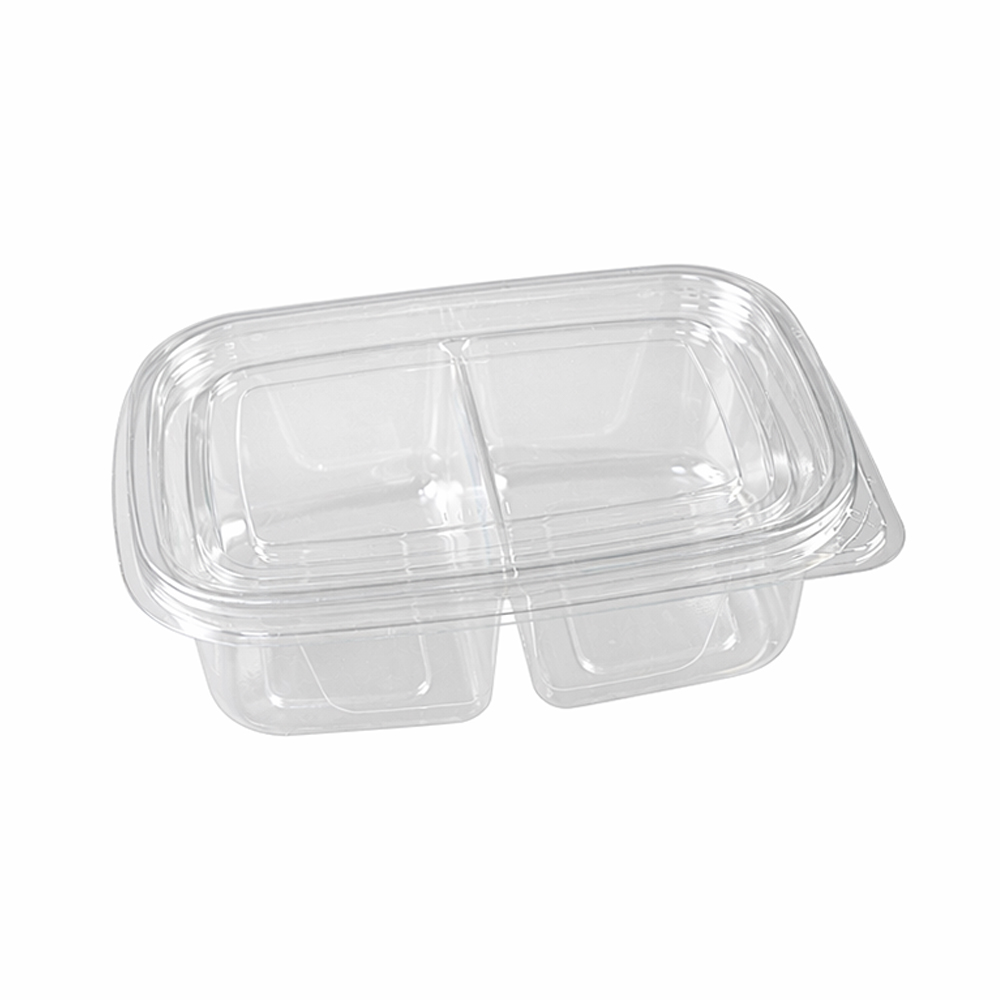
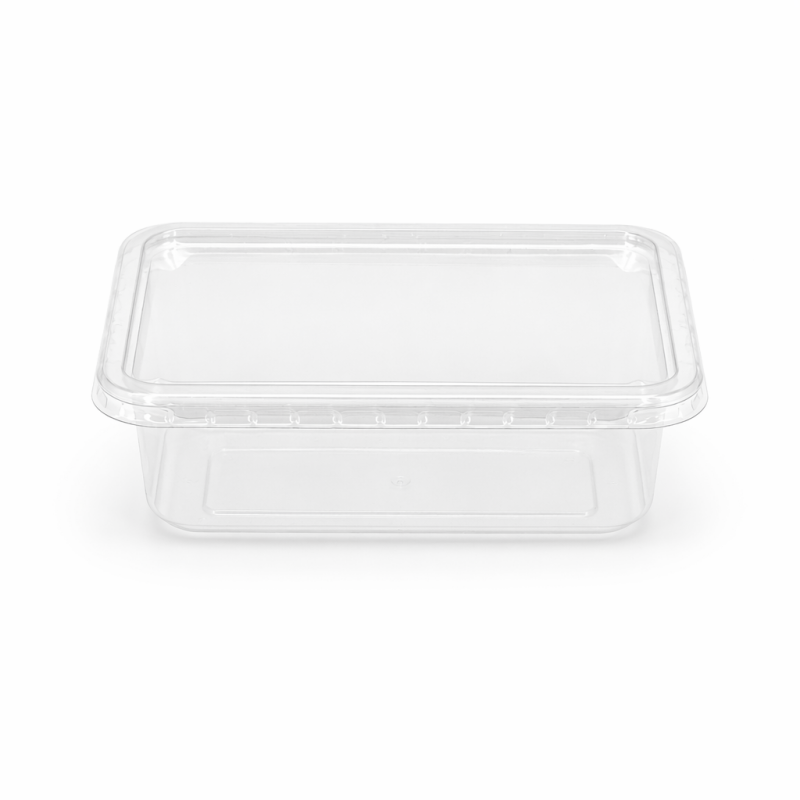

Key Applications for Fruit Packaging Plastic in the Food Industry
Evaluating the quality of fruit packaging plastics requires attention to various specifications. First, check for FDA, BRC, and ISO certifications, which indicate compliance with safety and quality standards. These certifications assure that the materials are safe for direct food contact and adhere to industry best practices.
Next, consider the physical properties of the plastic. Thickness, for example, affects durability and protection. A thicker film may provide better protection against punctures and tears, but it can also add weight and increase shipping costs. Assess the clarity of the plastic; for retail packaging, clarity can enhance product visibility and attractiveness on shelves.
Conducting performance tests is essential as well. A sample should be tested under actual storage conditions to evaluate its performance in terms of moisture retention, compatibility with the packaged fruit, and resistance to environmental factors such as temperature fluctuations. Buyers should ensure that these tests are part of the supplier's quality assurance processes.