EN

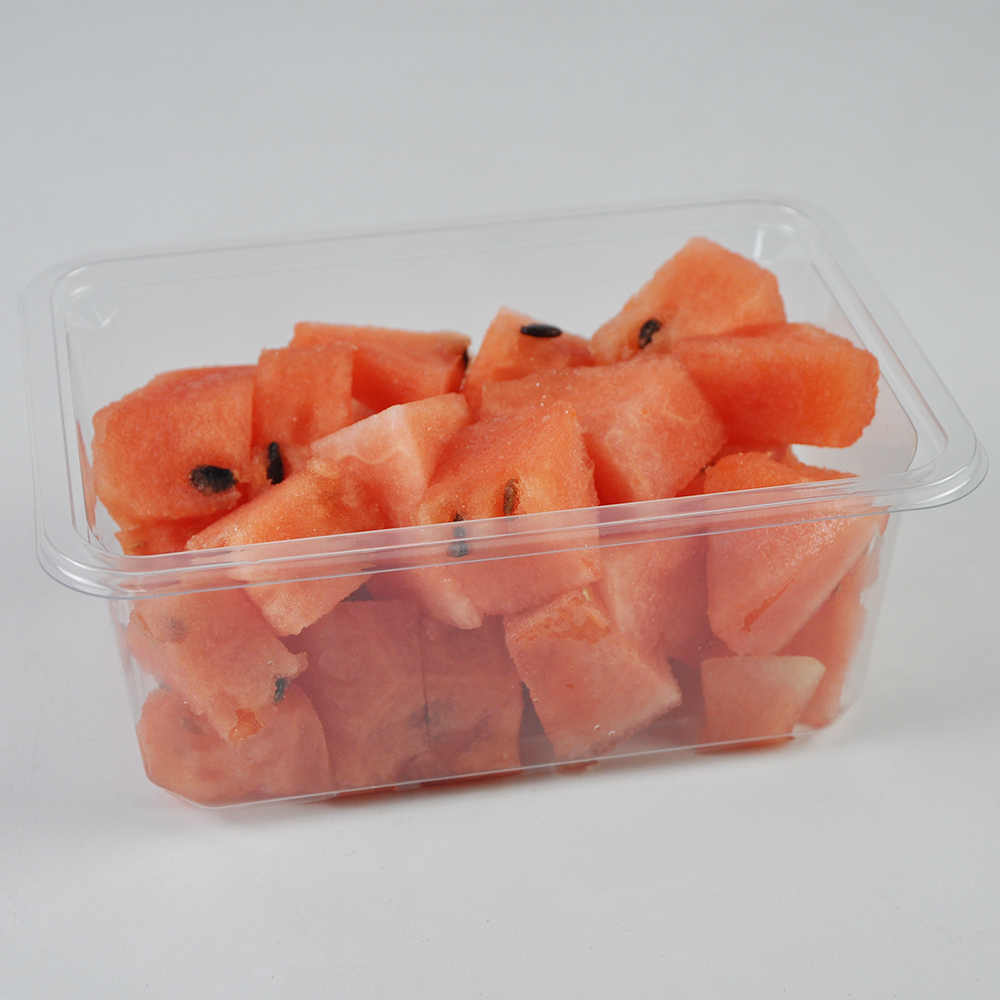
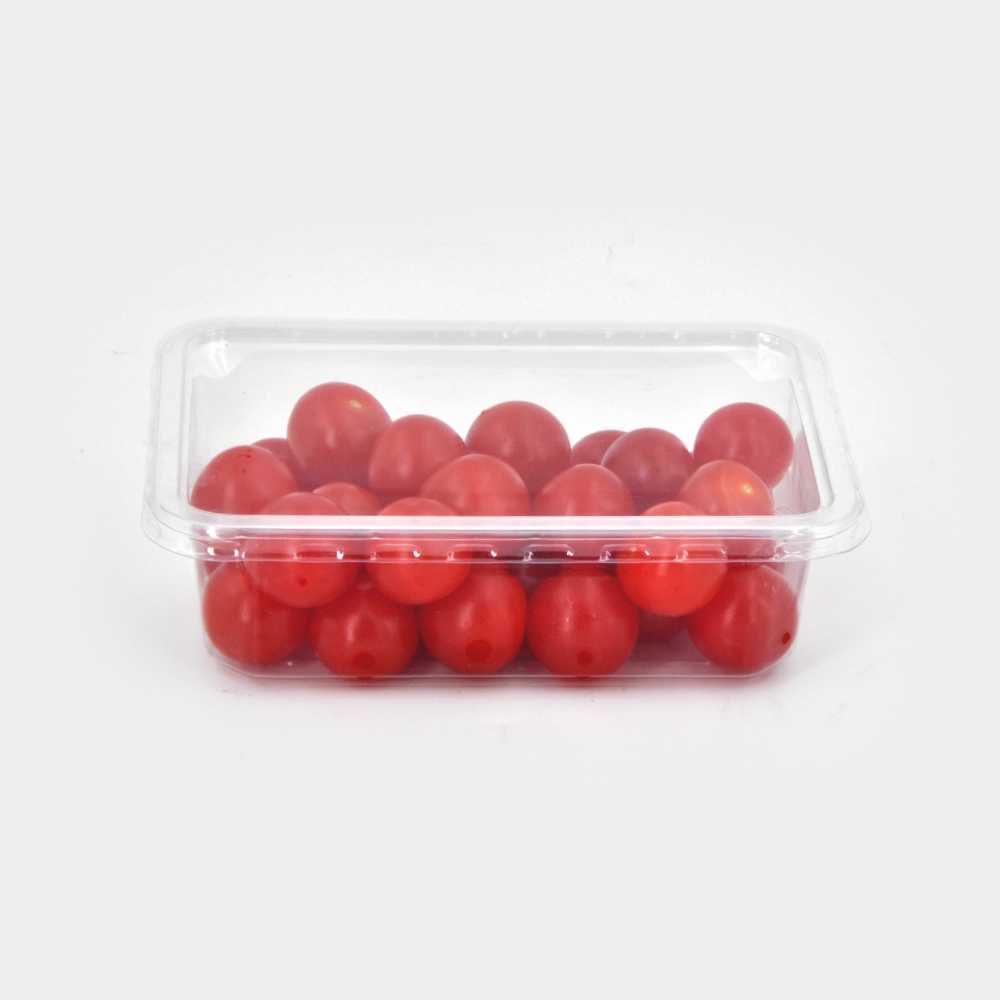
Plastic fruit plates are essential components in food packaging, particularly in the distribution and display of fresh produce. These plates offer a reliable and efficient solution for preserving the quality and presentation of fruits, making them indispensable for grocery stores, restaurants, and catering businesses. Buyers often seek information on sourcing, specifications, and applications to ensure they meet safety and quality standards. This article will guide you through the key considerations for selecting disposable plastic cups with lids, helping you make informed purchasing decisions.
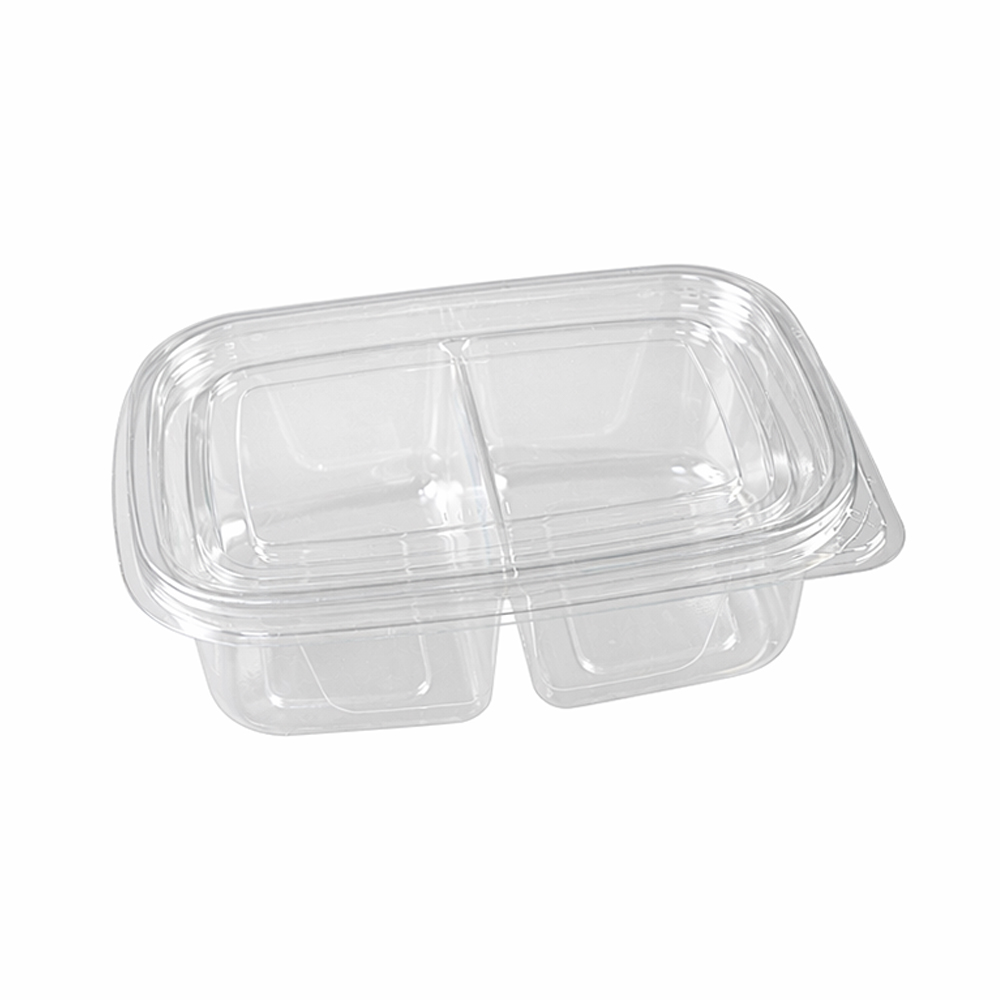
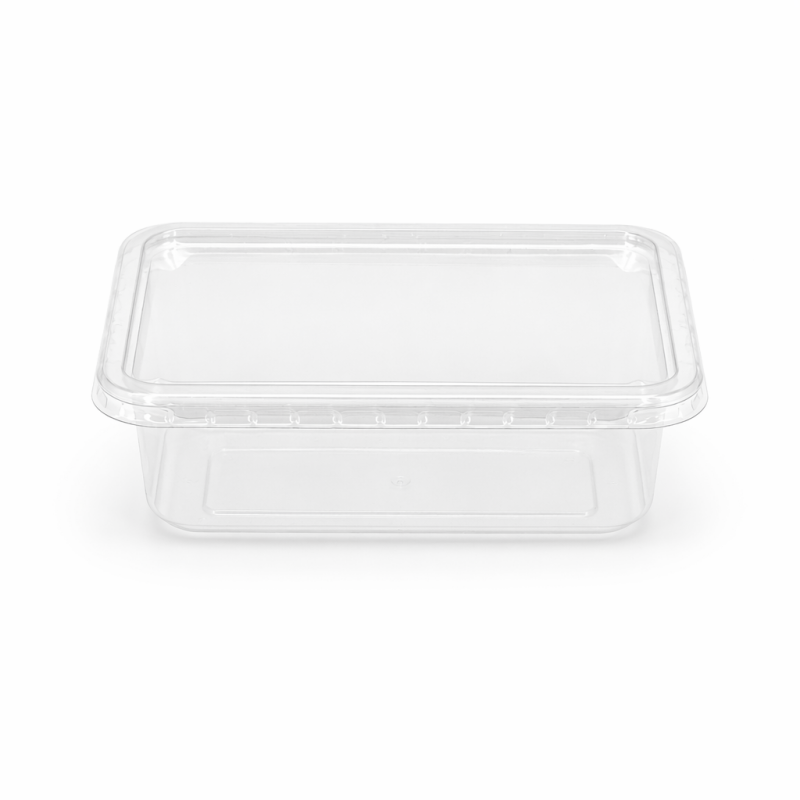
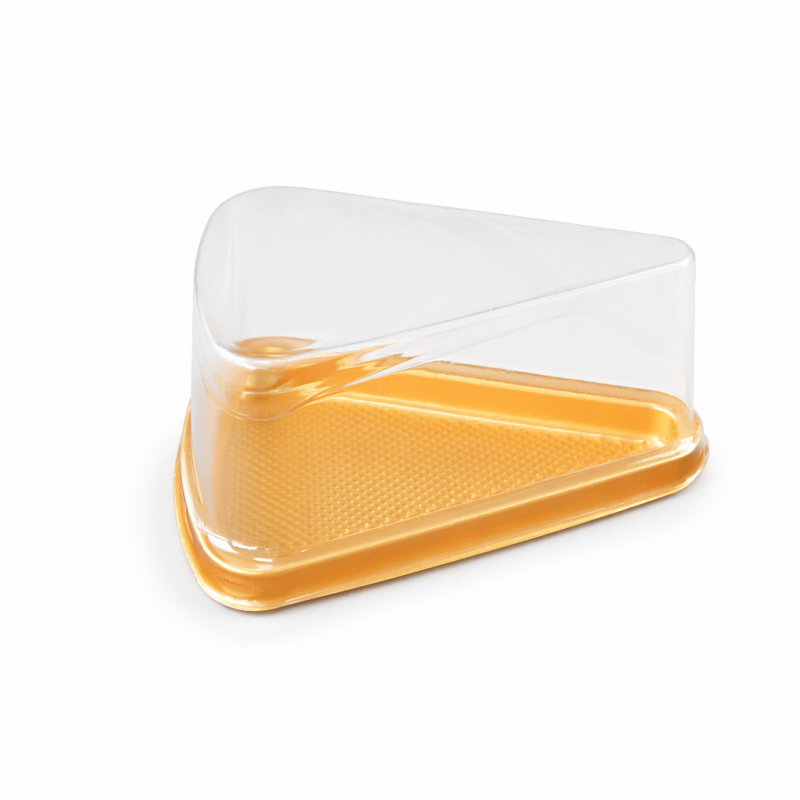
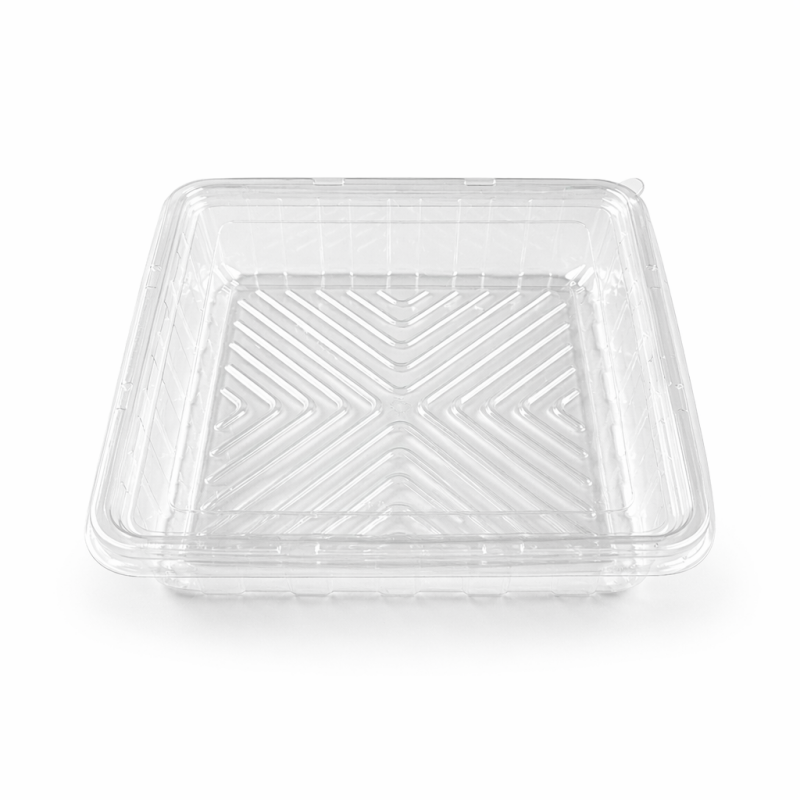
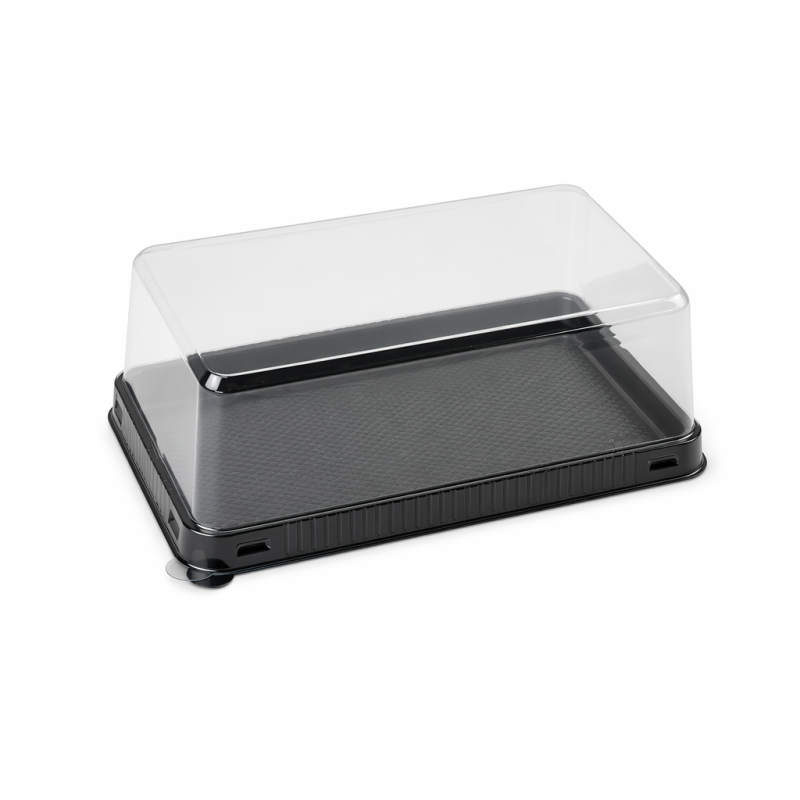
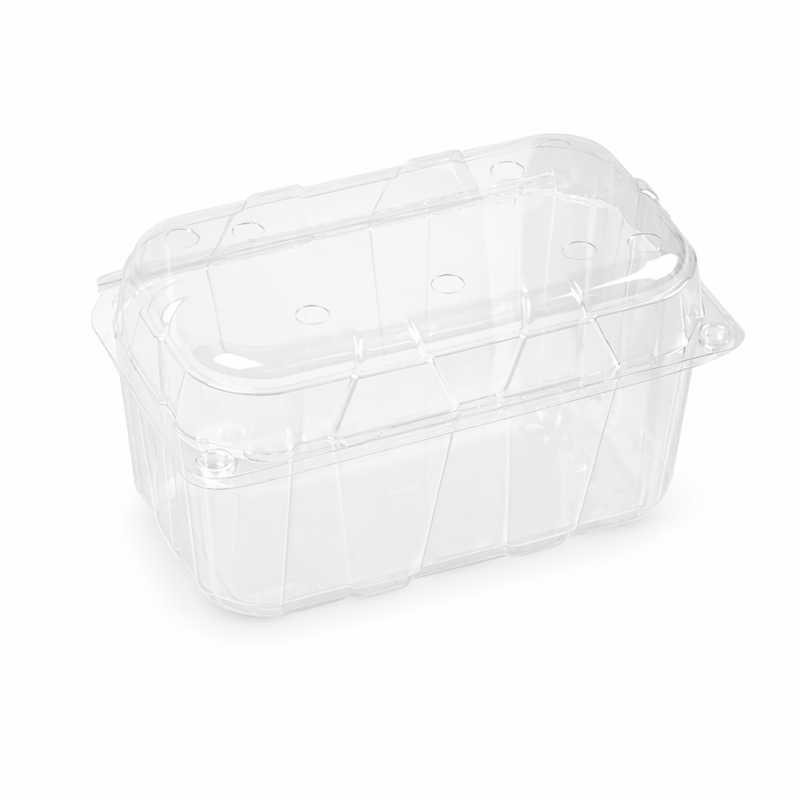
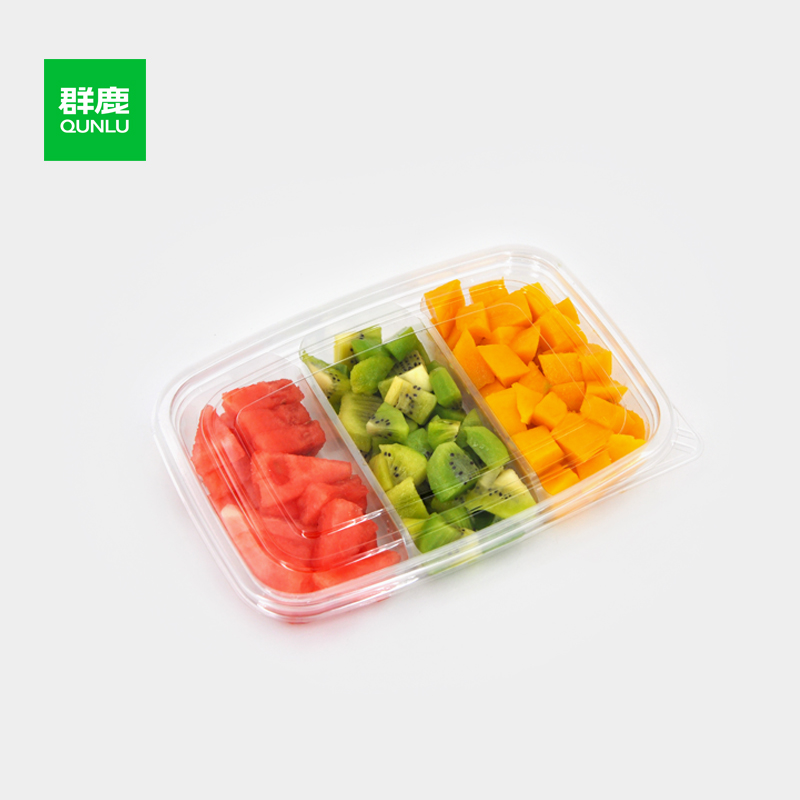
Key Specifications to Evaluate in Plastic Fruit Plates
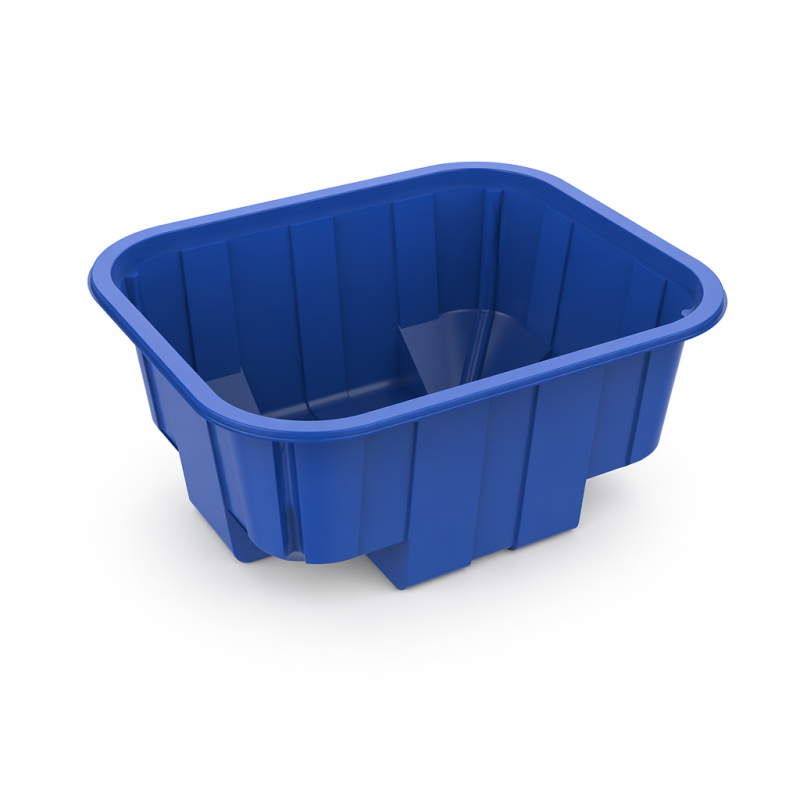
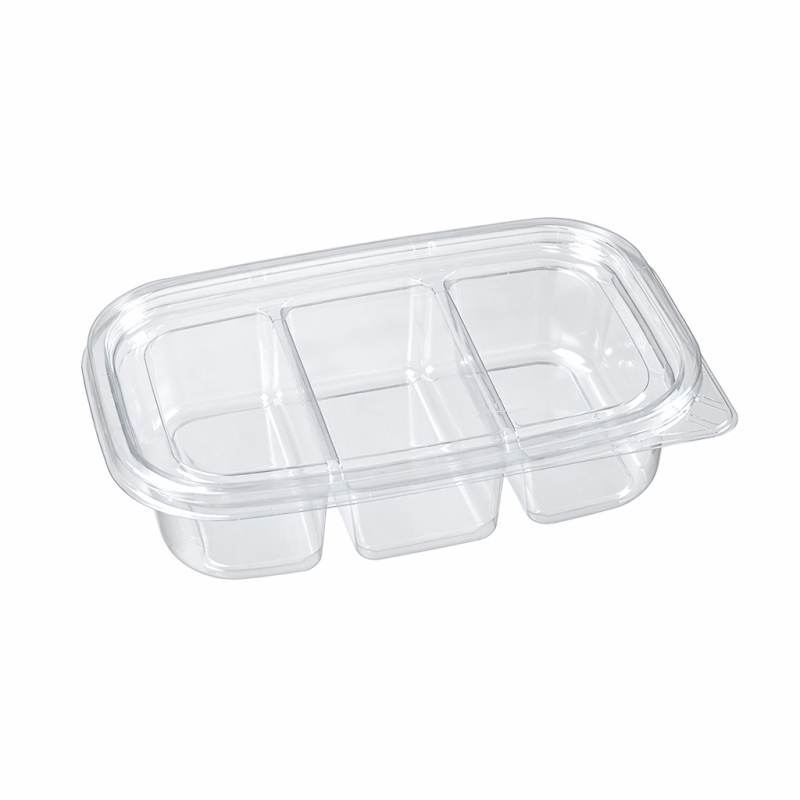
When evaluating plastic fruit plates, several key specifications should be considered:
Material: Look for plates made from food-grade plastics such as polypropylene (PP) or polyethylene terephthalate (PET), which are known for their durability and resistance to moisture and chemicals. Ensure that the material is recyclable and meets environmental standards.
Dimensions: The size of the plate should correspond to the fruits being packaged. Common dimensions range from small (for berries) to large (for melons), so consider the specific needs of your business.
Thickness: A thickness of 0.5mm to 1mm is typical for fruit plates. Thicker plates may offer better durability and stackability, while thinner options might be lighter and more cost-effective.
Ventilation: Plates with vent holes help maintain airflow, reducing moisture build-up and prolonging the freshness of fruits. Be sure to check if the design includes this feature.
Sealing Options: Consider whether you need plates that can be sealed for extended freshness or those that are open for display purposes. Options like peelable seals or clamshell designs can provide added functionality.
Evaluating these specifications will ensure that you select the right disposable plastic cups for your application and customer needs.