Reliable Plastic Fruit Plates for Food Packaging

All Categories
Review Full Line Catalog

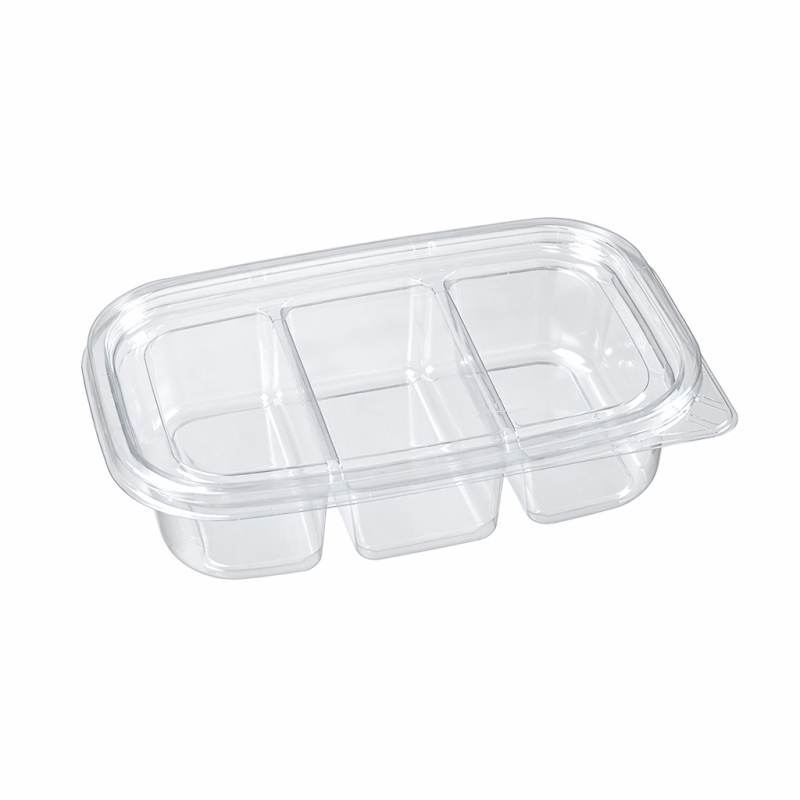
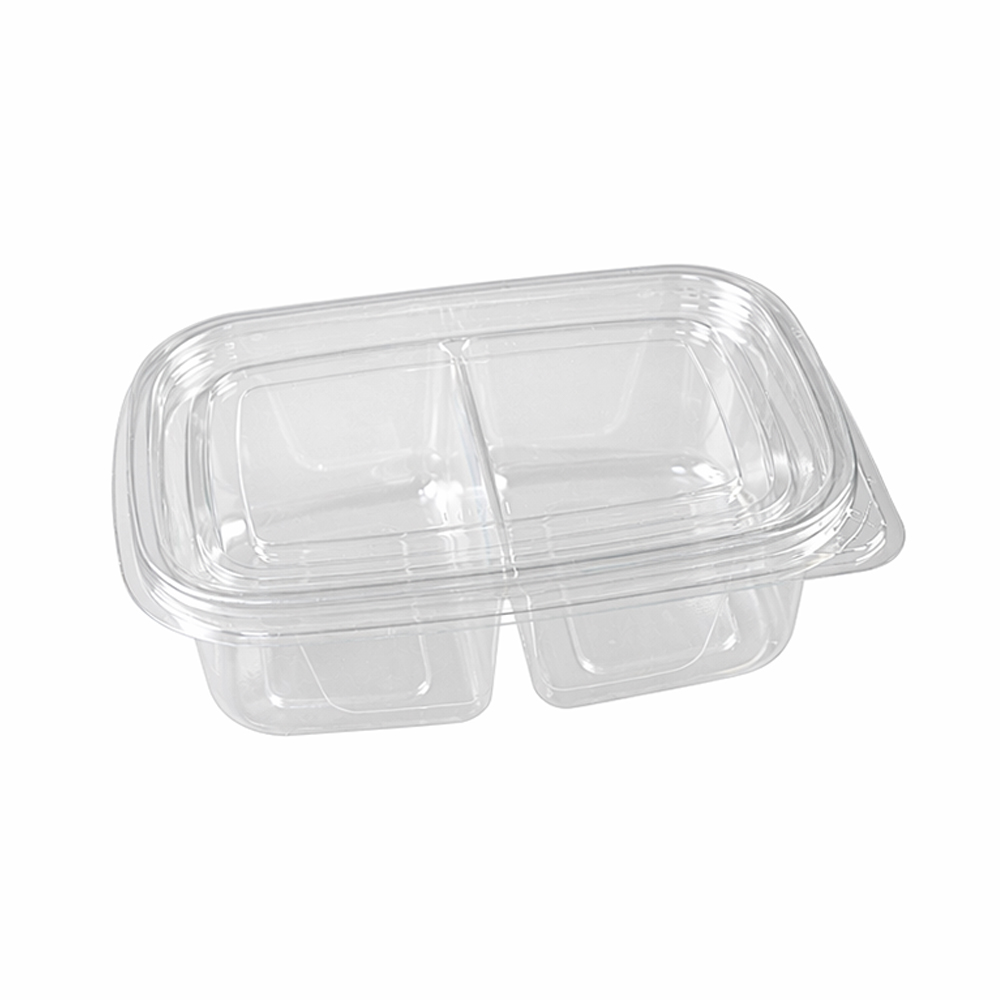
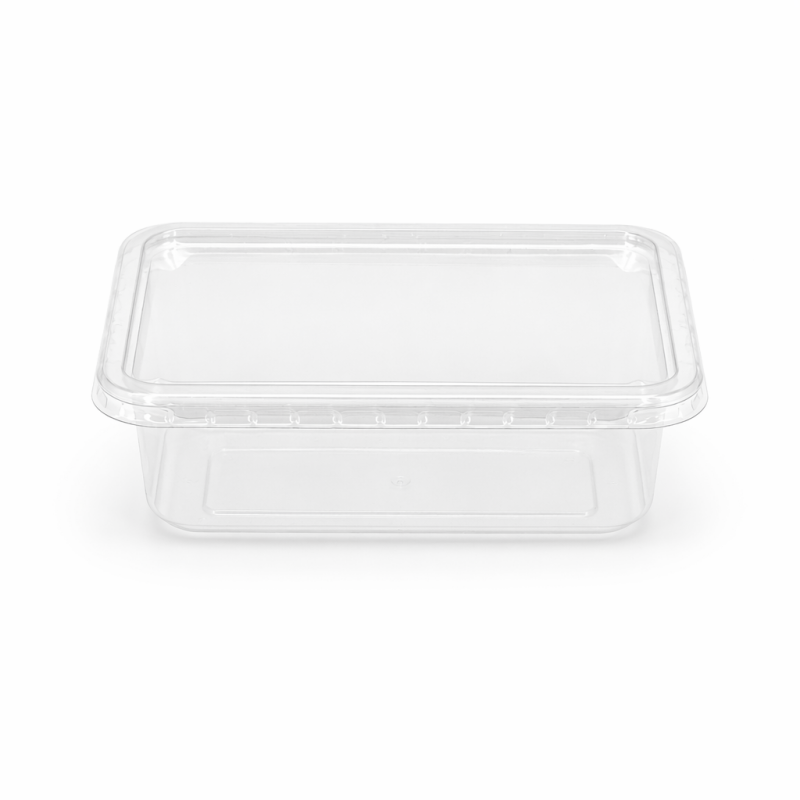
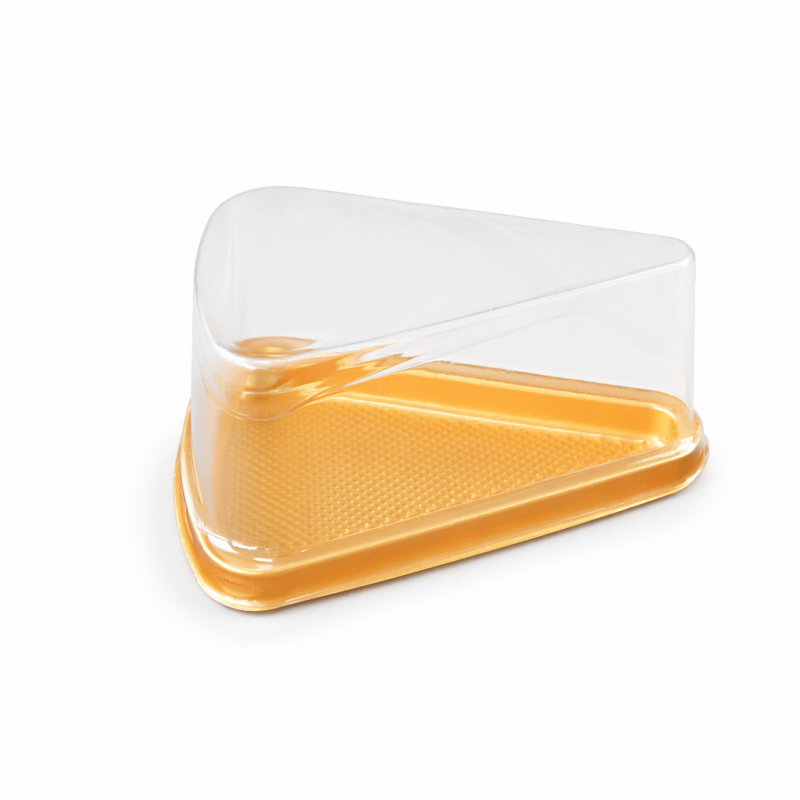
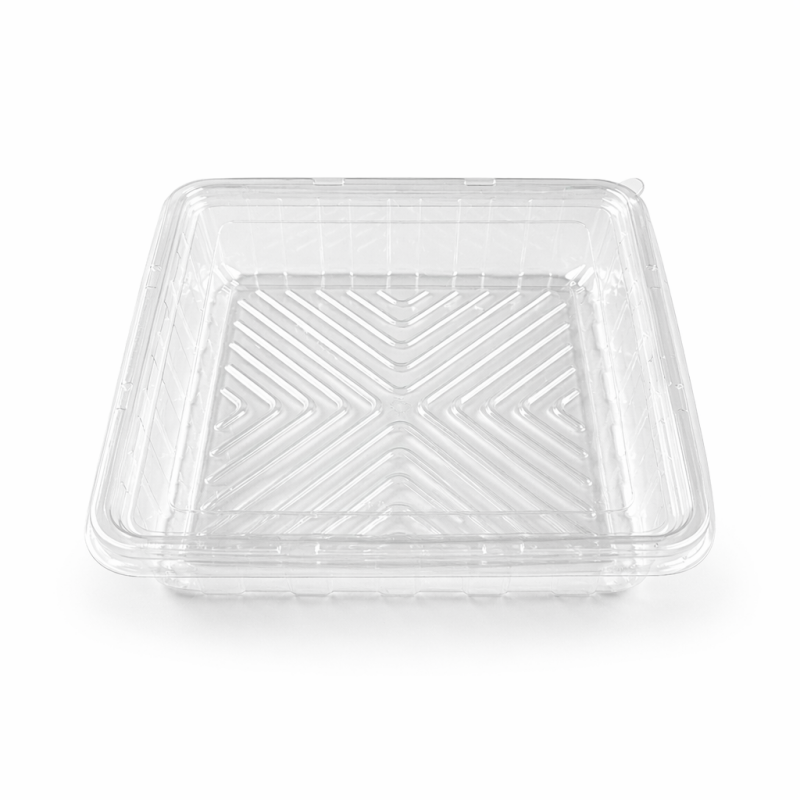
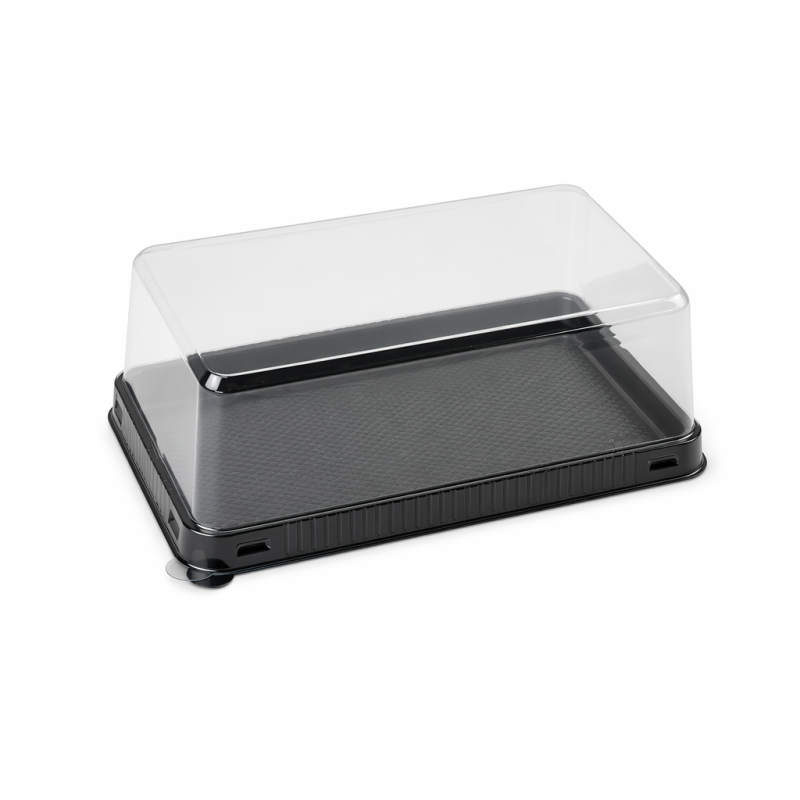
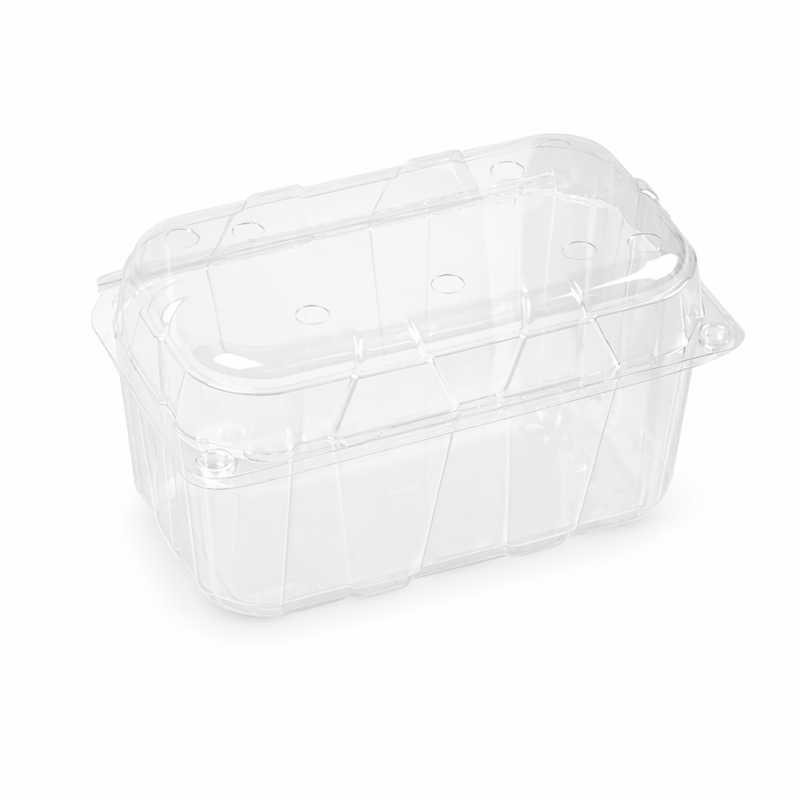
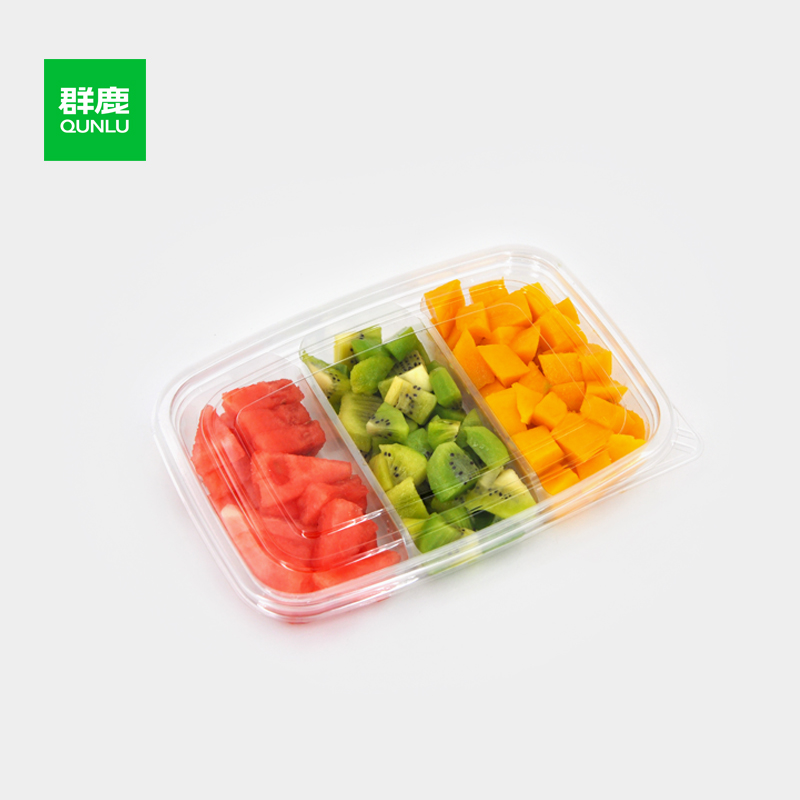
Plastic fruit plate

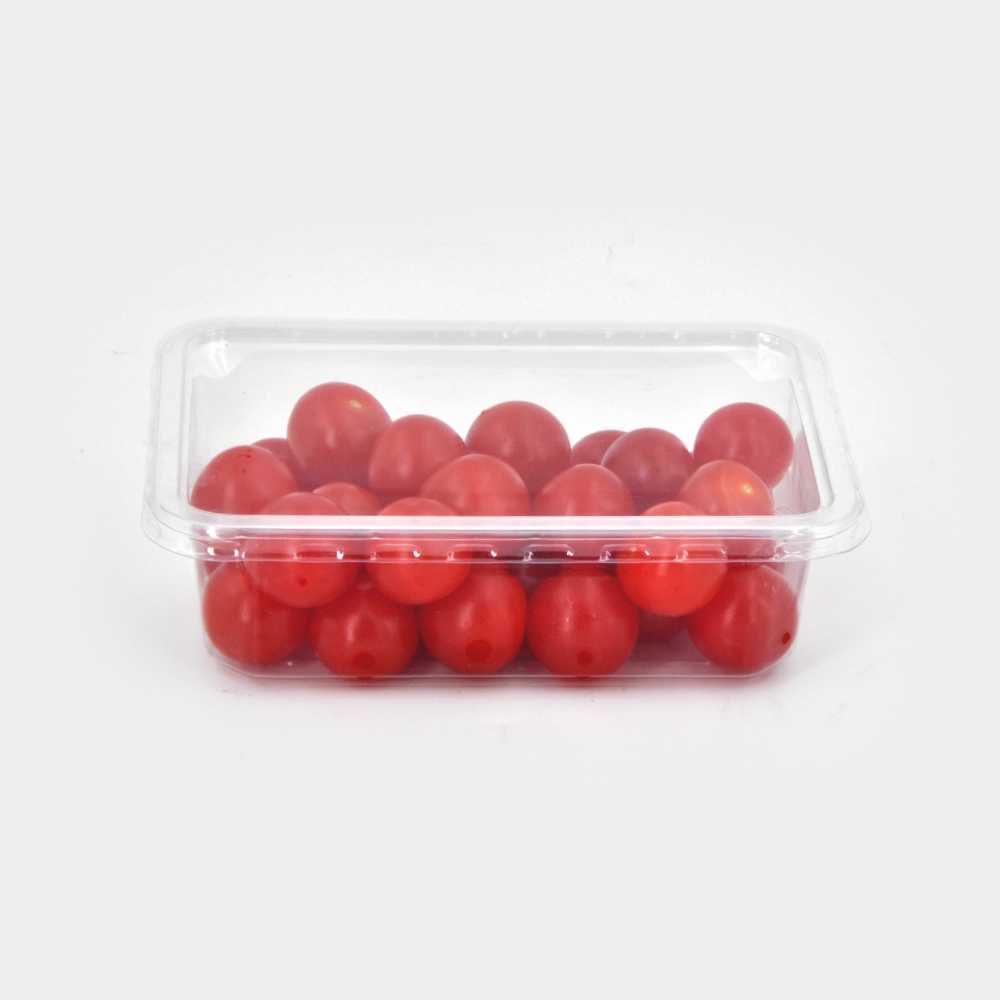
Plastic fruit plates are essential components in food packaging, particularly in the distribution and display of fresh produce. These plates offer a reliable and efficient solution for preserving the quality and presentation of fruits, making them indispensable for grocery stores, restaurants, and catering businesses. Buyers often seek information on sourcing, specifications, and applications to ensure they meet safety and quality standards. This article will guide you through the key considerations for selecting disposable plastic cups with lids, helping you make informed purchasing decisions.

Our Products

Key Specifications to Evaluate in Plastic Fruit Plates

Key Specifications to Evaluate in Plastic Fruit Plates

When evaluating plastic fruit plates, several key specifications should be considered: 

Material: Look for plates made from food-grade plastics such as polypropylene (PP) or polyethylene terephthalate (PET), which are known for their durability and resistance to moisture and chemicals. Ensure that the material is recyclable and meets environmental standards. 

Dimensions: The size of the plate should correspond to the fruits being packaged. Common dimensions range from small (for berries) to large (for melons), so consider the specific needs of your business. 

Thickness: A thickness of 0.5mm to 1mm is typical for fruit plates. Thicker plates may offer better durability and stackability, while thinner options might be lighter and more cost-effective. 

Ventilation: Plates with vent holes help maintain airflow, reducing moisture build-up and prolonging the freshness of fruits. Be sure to check if the design includes this feature. 

Sealing Options: Consider whether you need plates that can be sealed for extended freshness or those that are open for display purposes. Options like peelable seals or clamshell designs can provide added functionality. 

Evaluating these specifications will ensure that you select the right disposable plastic cups for your application and customer needs.
How to Compare Plastic Fruit Plates for Your Projects

How to Compare Plastic Fruit Plates for Your Projects

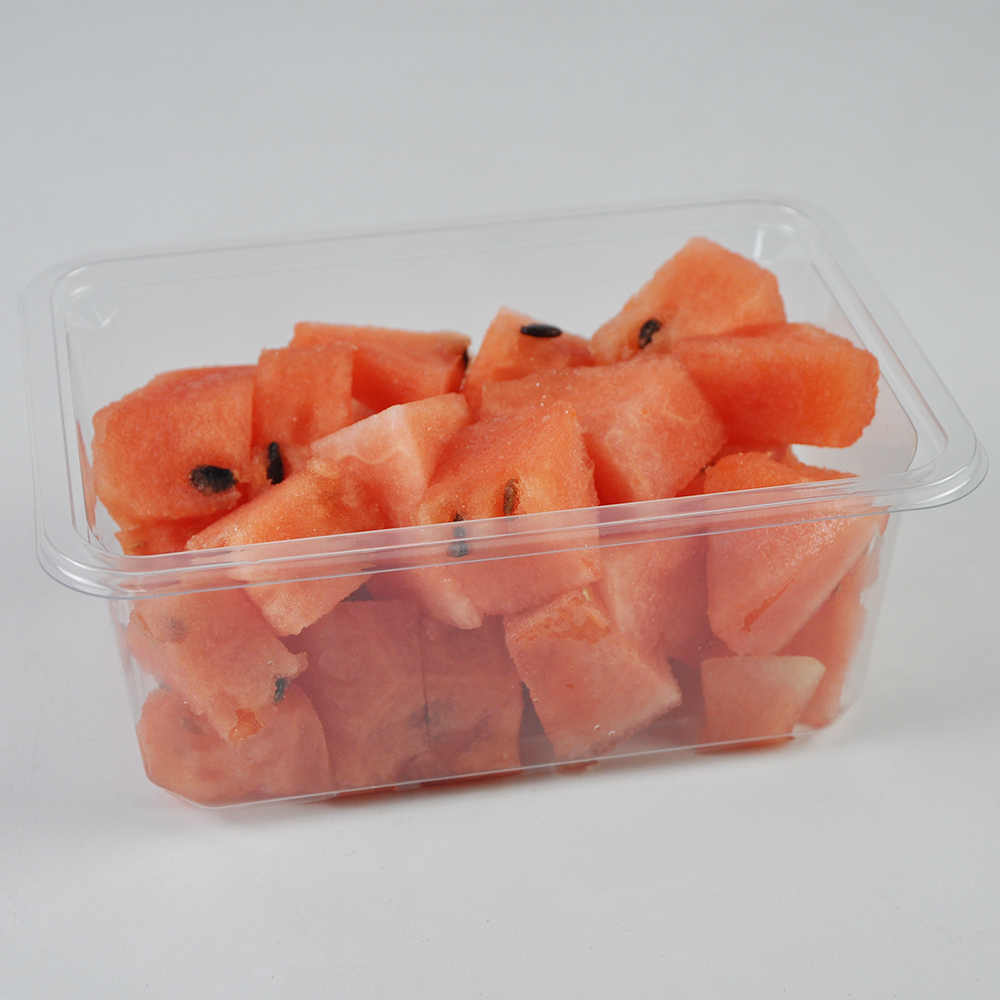
To effectively compare different QUNLU plastic fruit plates, create a checklist of essential criteria based on your project requirements. Here are some factors to include: 

Quality Certifications: Compare manufacturers based on their certifications. FDA and BRC certifications are essential for food safety, while ISO certifications indicate adherence to quality management systems. 

Customizability: Assess the options for customization, including printing logos or branding on the plates. Some manufacturers may offer more flexible design options than others. 

Pricing: Obtain quotes from multiple suppliers and evaluate the total cost, including shipping and any potential tariffs.  Remember that lower prices do not always equate to better value—consider the quality and durability of the plates. 

Production Capacity: Ensure that the manufacturer can meet your order volumes consistently. This is particularly important for businesses with fluctuating demands or those planning promotional events. 

Lead Times: Compare the lead times provided by each supplier. A reliable supplier will communicate timelines clearly and be able to accommodate urgent requests when necessary. 

By using this comparative approach, you can identify the most suitable plastic fruit plates for your specific projects.

The Advantages of Using Plastic Fruit Plates in Food Packaging

The Advantages of Using Plastic Fruit Plates in Food Packaging

Plastic fruit plates offer several advantages that make them a preferred choice in food packaging: 

Durability: Made from robust materials, plastic fruit plates can withstand transportation and handling without breaking or degrading. This durability protects the integrity of the fruits during distribution. 

Lightweight: Plastic is significantly lighter than glass or metal alternatives, reducing shipping costs and making it easier for staff to handle. 

Cost-Effective: The manufacturing process for plastic plates is often less expensive than that of other materials, leading to lower overall costs for businesses. 

Versatility: Plastic fruit plates can be designed for various applications, from retail displays to take-out services. Their adaptability makes them suitable for a wide range of fruits and settings. 

Sustainability: Many plastic fruit plates are designed to be recyclable, contributing to environmental sustainability efforts. Choosing suppliers who prioritize eco-friendly practices can enhance your brand's image. 

These advantages highlight why small plastic cups with lids are a smart choice for businesses focused on quality and efficiency in food packaging.

Installation Guidelines for Plastic Fruit Plates in Various Settings

Proper installation and usage of QUNLU plastic fruit plates can enhance their effectiveness in various settings. Here are some guidelines to consider: 

Temperature Control: Ensure that the plates are stored and displayed in environments that maintain optimal temperatures for fruits. Avoid exposure to direct sunlight and high temperatures, which can affect the quality of the produce. 

Stacking and Storage: When stacking plates, ensure they are compatible with each other to avoid tipping or crushing. Utilize proper storage solutions that keep plates organized and ready for use. 

Transporting Fruits: When using plastic fruit plates for transportation, secure them in boxes or containers that prevent movement. This minimizes the risk of damage and preserves the quality of the fruits. 

Cleaning Protocols: If plates are reusable, establish a cleaning protocol to ensure they are sanitized and free from contaminants before each use. This is particularly important for food safety compliance. 

Display Techniques: In retail settings, consider how the plates are arranged for maximum visibility. Position them at eye level and ensure that the fruits are fresh and attractively presented. 

Following these guidelines will help ensure that plastic fruit plates are utilized effectively, enhancing the overall presentation and preservation of your products.

Where to Source Reliable Plastic Fruit Plates for Wholesale Needs

When looking for reliable sources of plastic fruit plates, it's essential to partner with manufacturers that have a proven track record in food packaging. Companies like Zhejiang Qunlu New Material Co., Ltd. utilize advanced German and Japanese thermoforming technology to produce high-quality, FDA-approved plates. 

Consider suppliers that offer OEM/ODM services, allowing for customization in design and branding. Verify the manufacturer's certifications, such as FDA and BRC, which indicate compliance with safety and quality standards.  Additionally, assess their production capabilities, including minimum order quantities (MOQs) and lead times, to ensure they can meet your demands. 

Networking at industry trade shows or online B2B platforms can also help identify reputable suppliers. Always request samples and conduct quality inspections before placing larger orders to ensure the product meets your expectations.

Frequently Asked Questions

What materials are used for the plastic fruit plate?

Our fruit plates are made from food-grade plastics processed on German/Japanese thermoforming lines, meeting FDA and ISO standards for safety and quality.
Yes. Plates are produced in certified facilities and comply with FDA and BRC standards for direct food contact.
Yes. We offer OEM/ODM customization for dimensions, colors, and printed or embossed logos to meet brand requirements.
We provide recyclable and food-safe material options and can advise on designs that minimize waste while maintaining strength and appearance.
Lead times vary by specification; typical production runs use thermoforming lines. Please contact us with details for accurate lead time and MOQ information.

Related product categories

Get a Free Quote

Our representative will contact you soon.
Email
Name
Company Name
Message
0/1000
Attachment
Please upload at least an attachment
Upload up to 3 files (maximum 30 MB). Supported formats: JPG, JPEG, PNG, PDF, DOC, DOCX, XLS, XLSX, CSV, TXT, STP, STEP, IGS, X_T, DXF, PRT, SLDPRT, SAT, RAR, ZIP.