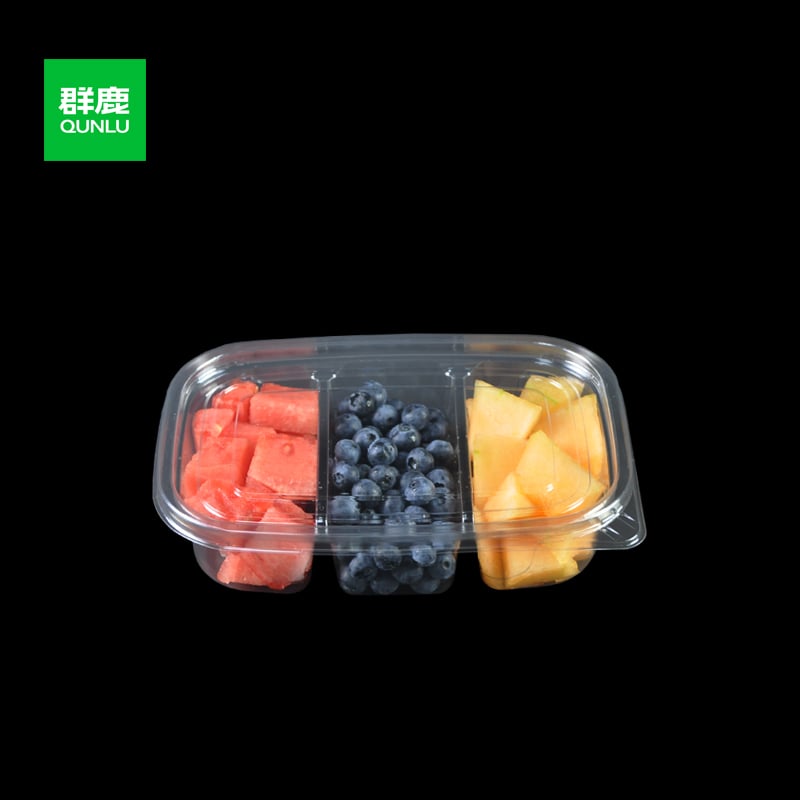
Key Specifications for Plastic Fruit Trays

All Categories
Review Full Line Catalog

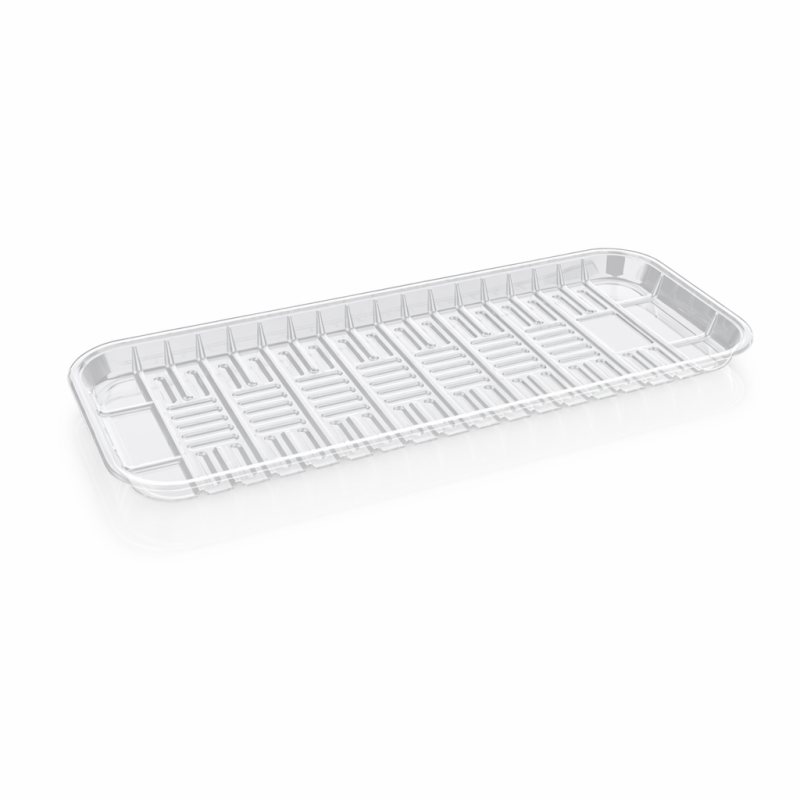
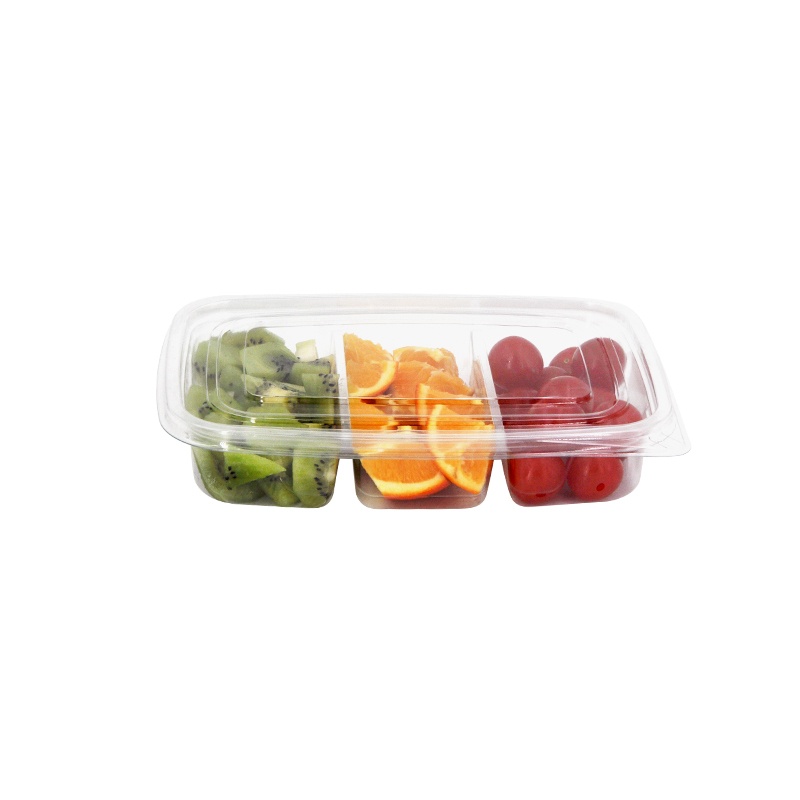
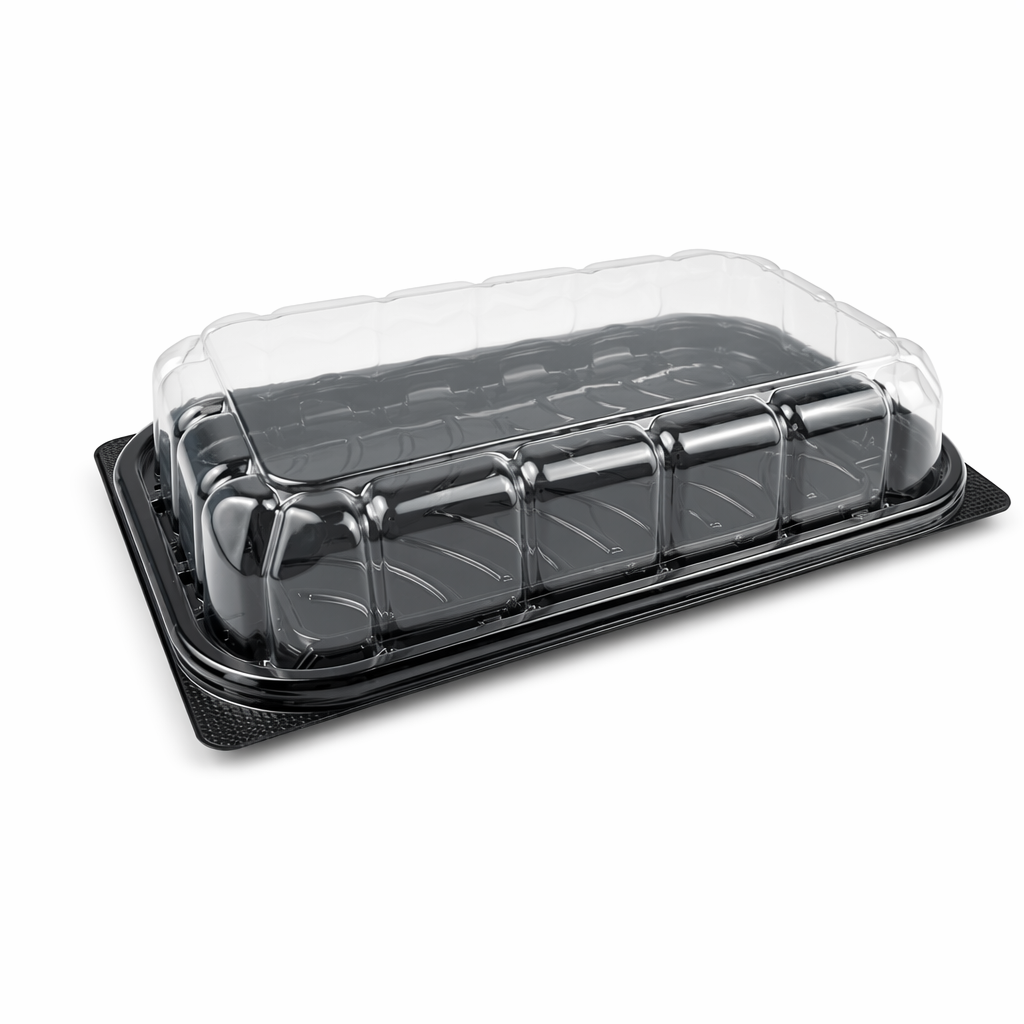
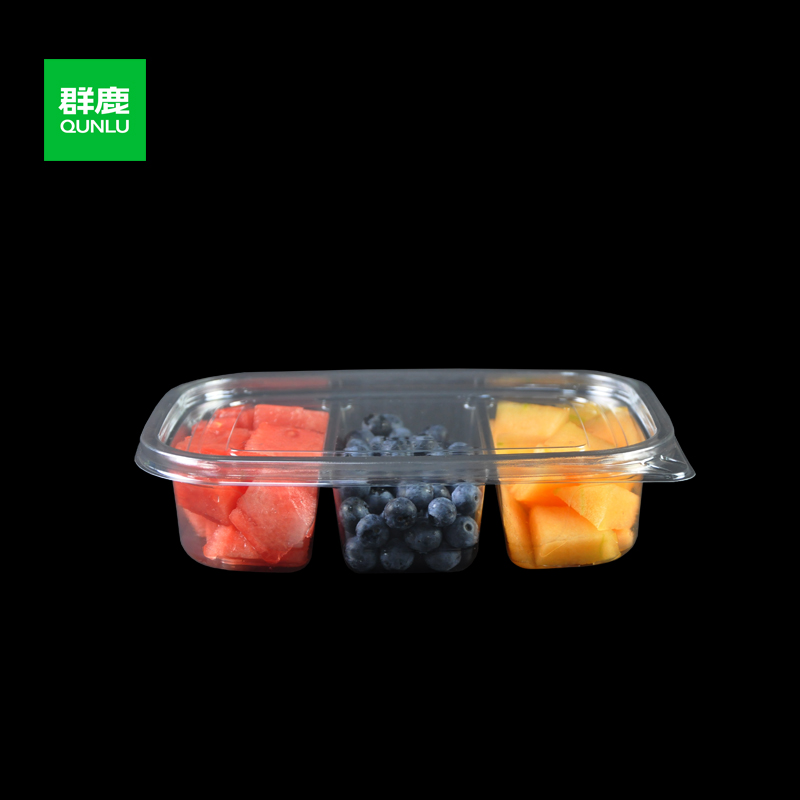
Plastic fruit trays

Plastic fruit trays are essential components in the food packaging industry, providing a safe and efficient means to transport and display fresh produce. As a B2B buyer, you may have concerns regarding quality, material selection, and compliance with safety standards. This article will guide you through the key specifications, material advantages, and applications of trays for fruits, helping you make informed purchasing decisions.
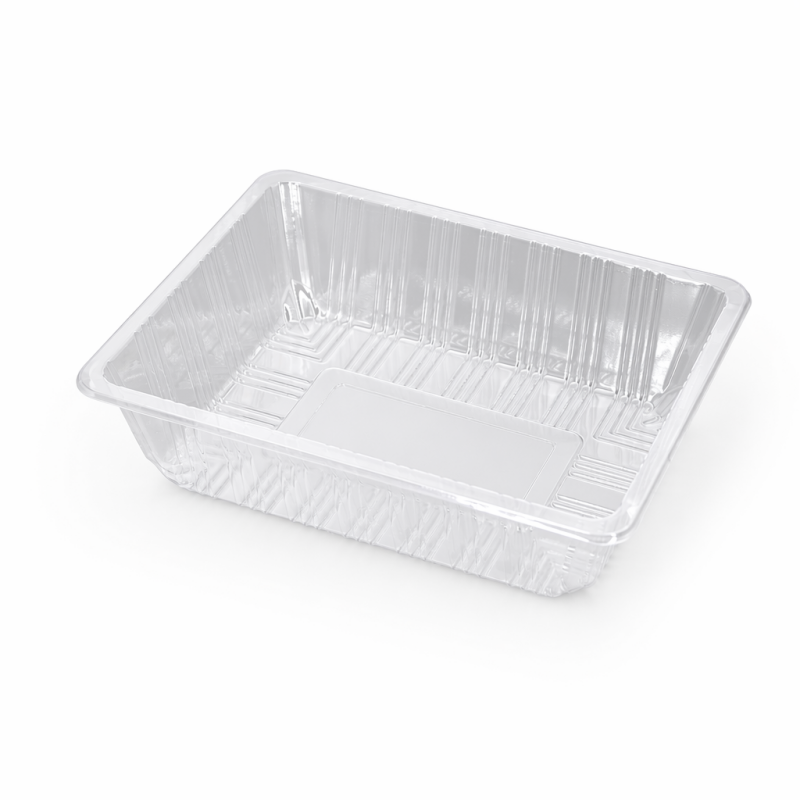
Our Products

A Buyers Guide

A Buyers Guide

As a buyer, understanding the purchasing process for QUNLU plastic fruit trays is crucial. Here are steps to ensure a successful procurement experience: 

Define Your Requirements: Clearly outline the specifications you need, including material, size, and any customization requirements. Knowing your desired features will streamline discussions with suppliers. 

Request Samples: Always request samples to evaluate the quality and suitability of the trays before placing a bulk order. Pay attention to dimensions, fit, and overall appearance. 

Compare Suppliers: Look for suppliers with relevant certifications, such as FDA, BRC, or ISO, which indicate adherence to quality and safety standards. Evaluate their manufacturing capabilities and experience in producing similar products. 

Discuss Lead Times and MOQs: Understanding minimum order quantities (MOQ) and lead times is essential for planning your inventory. Ensure the supplier can meet your deadlines without compromising quality. 

Quality Assurance Processes: Inquire about the supplier's quality control measures. A supplier with robust quality inspection protocols can help ensure that the trays meet your specifications consistently. 
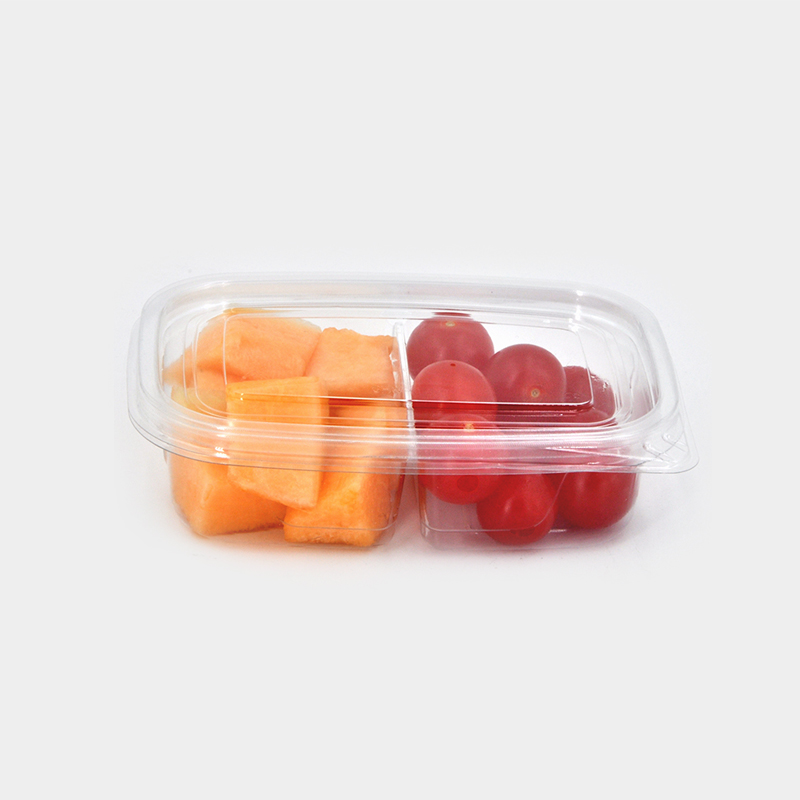
Material Advantages of Plastic Fruit Trays for Fresh Producer

Material Advantages of Plastic Fruit Trays for Fresh Producer

Plastic fruit trays offer numerous material advantages that enhance their effectiveness in food packaging: 

Lightweight and Cost-Effective: Plastic trays are generally lighter than their paper or cardboard counterparts, reducing shipping costs. This lightweight nature also allows for more efficient handling during distribution. 

Moisture Resistance: Many plastics provide a barrier against moisture, helping to keep fruits fresh and reducing spoilage. This is particularly important for berries and other delicate fruits that are susceptible to mold and decay. 

Recyclability: Depending on the type of plastic used, many fruit trays can be recycled, contributing to sustainability efforts within the industry. Always check with your supplier regarding the recyclability of their products. 

Customizable Design: Plastic trays can be easily molded into various shapes and sizes, allowing for customization to suit specific fruit types or branding requirements. This flexibility can enhance product visibility and appeal. 

Applications of Plastic Fruit Trays in the Food Packaging Industry

Applications of Plastic Fruit Trays in the Food Packaging Industry

Plastic fruit trays are versatile and can be used in various applications within the food packaging industry: 

Retail Displays: Many grocery stores and markets utilize plastic fruit trays for visually appealing displays. The clear design allows consumers to see the fruits while providing protection during handling. 

Shipping and Distribution: In transportation, these trays protect fruits from damage while ensuring that they remain fresh. Their stackable design helps maximize space during shipping. 

Food Prep Areas: In food processing facilities, plastic trays are used to organize and transport fruits efficiently. Their lightweight nature allows for quick handling and reduces the risk of injury. 

Food Service: Restaurants and catering services often use plastic trays to hold and serve fruits, ensuring that they remain intact and presentable to customers. 

Evaluating the Quality of Plastic Fruit Trays for Wholesale Orders

When purchasing QUNLU plastic fruit trays in bulk, evaluating quality is paramount to ensure that they meet your standards and perform well in your operations: 

Inspect for Consistency: Check that the trays are consistent in size, thickness, and appearance. Any discrepancies could lead to issues during packing and shipping. 

Assess Surface Quality: Look for any defects such as cracks, bubbles, or uneven surfaces. Flaws can compromise the integrity of the tray and affect the quality of the produce it holds. 

Conduct Stress Tests: If feasible, perform load tests on a sample of trays to ensure they can handle the weight and pressure of the fruits without failing. 

Check Supplier Certifications: Verify that the supplier holds relevant industry certifications. This not only assures quality but also indicates that the manufacturer adheres to safety and regulatory standards. 

Warranty and Support: Inquire about warranties or support offered by the supplier. A reputable supplier should stand behind their products and be willing to address any concerns that arise post-purchase. 

By understanding these factors, you can effectively evaluate and select the right trays for fruit platter for your needs, ensuring quality and performance in your food packaging solutions. 

Key Specifications for High-Quality Plastic Fruit Trays

When selecting QUNLU plastic fruit trays, it's important to consider several specifications that directly impact their performance and suitability for your needs. Key specifications include material type, dimensions, thickness, load capacity, and sealing properties. 

Material Type: Common materials for plastic fruit trays include PET, PS, and PP. PET trays offer excellent clarity and barrier properties, making them suitable for fresh-cut fruits, while PS trays are more cost-effective but may not provide the same level of moisture protection. 

Dimensions and Thickness: The dimensions of the trays should match the size of the fruits they will hold. The thickness of the tray affects its strength and durability. Thicker trays generally offer better load-bearing capacity but may increase shipping costs due to weight. 

Load Capacity: Ensure that the trays can support the weight of the fruits without bending or breaking. Testing load capacity during the design phase can prevent costly product failures. 

Sealing Properties: If the plastic fruit and veg trays are to be used in conjunction with lids, consider the sealing capabilities. A proper seal will help preserve freshness and extend shelf life. 

Frequently Asked Questions

What materials are used in your plastic fruit trays?

Our fruit trays are made from food-grade, FDA-compliant plastics formulated for safety and durability, produced on certified thermoforming lines.
Yes. Trays are manufactured to meet FDA and BRC standards for direct food contact and are tested for safety and hygiene.
Yes. We offer OEM/ODM customization for dimensions, compartment layouts, colors, and surface printing to meet brand requirements.
We offer recyclable and reduced-material designs and can advise on sustainable options that maintain strength and food safety.
We hold FDA, BRC, and ISO certifications and use German/Japanese thermoforming lines with strict QC to ensure consistent quality.

Related product categories

Get a Free Quote

Our representative will contact you soon.
Email
Name
Company Name
Message
0/1000
Attachment
Please upload at least an attachment
Upload up to 3 files (maximum 30 MB). Supported formats: JPG, JPEG, PNG, PDF, DOC, DOCX, XLS, XLSX, CSV, TXT, STP, STEP, IGS, X_T, DXF, PRT, SLDPRT, SAT, RAR, ZIP.