EN

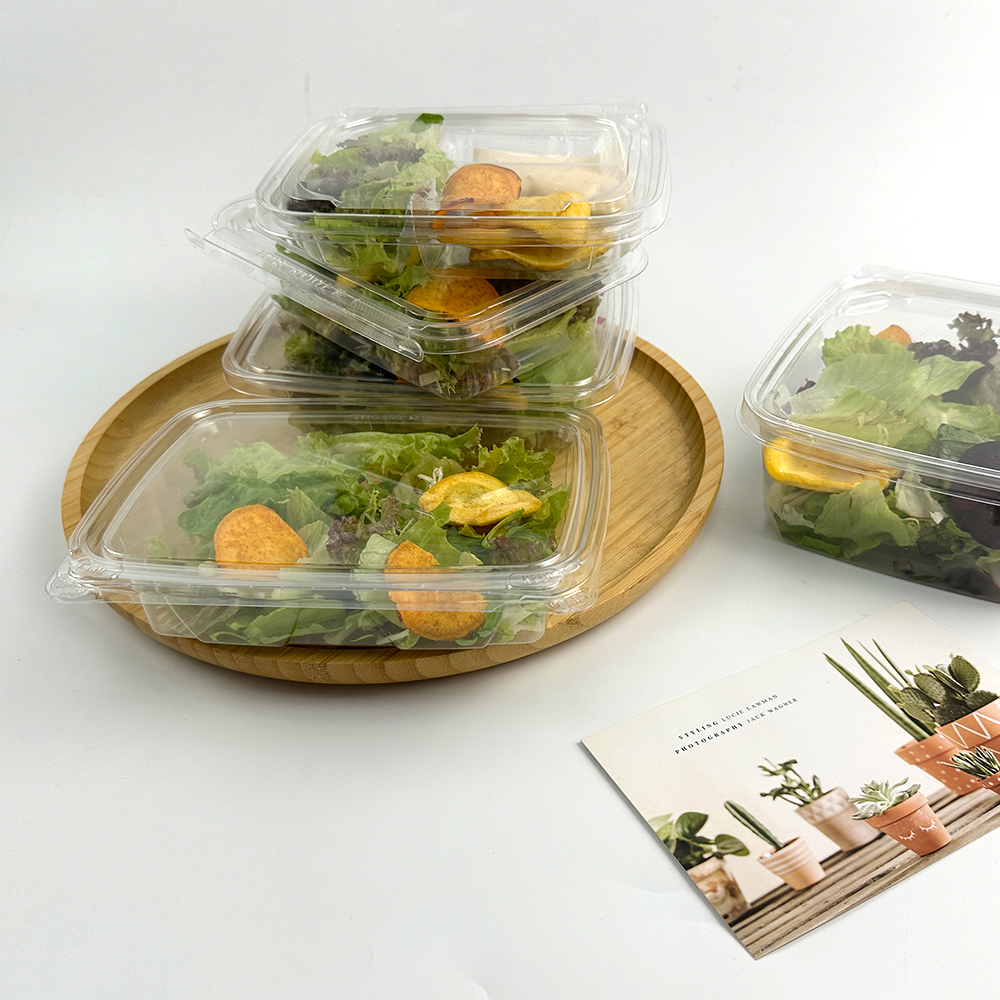
Tamper evident food containers and lids are essential for ensuring the safety and integrity of food products during storage and transportation. As a B2B buyer, you likely have concerns about product quality, regulatory compliance, and the ability to customize packaging solutions to meet your specific food packaging needs. This article will delve into the key factors to consider when sourcing tamper evident food containers, how to assess their quality, and common challenges you may face, along with effective solutions. By arming yourself with this knowledge, you can make informed purchasing decisions that align with your business requirements.
How to Evaluate the Quality of Tamper Evident Food Containers
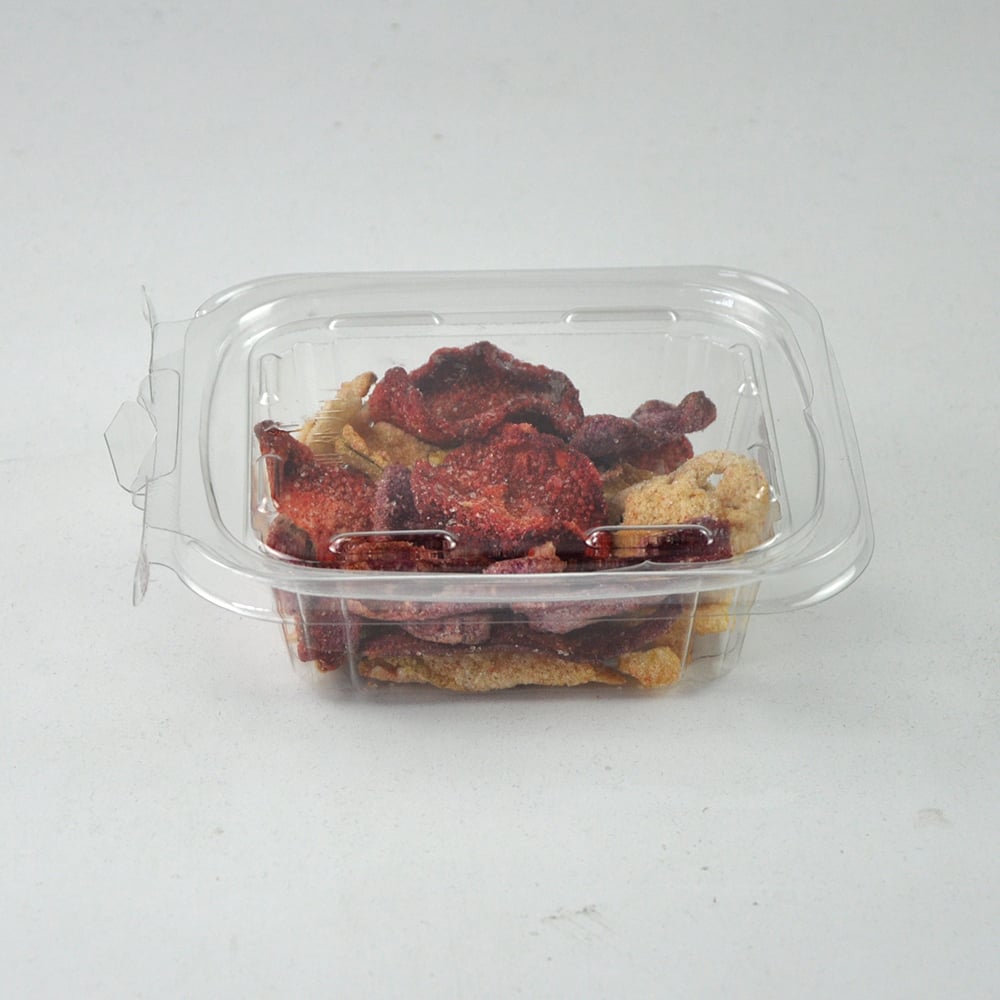
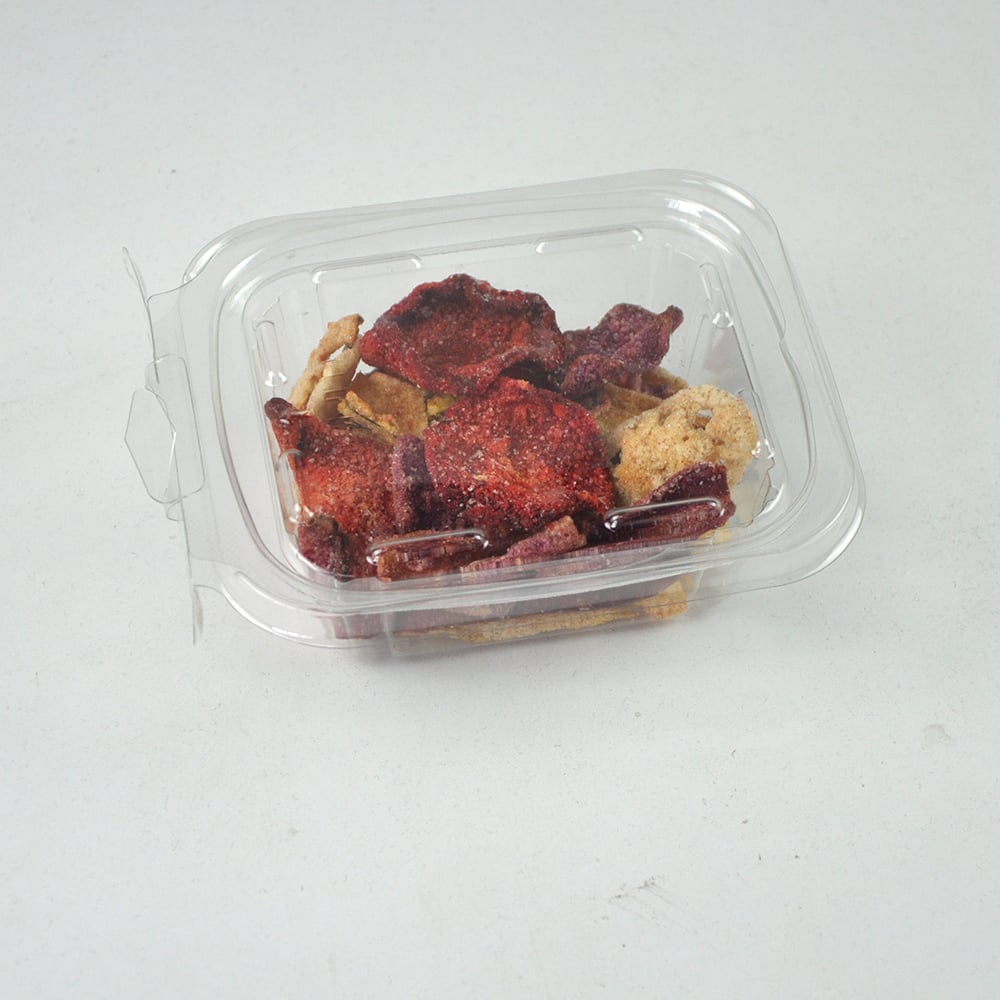
Evaluating the quality of tamper evident food containers involves a multi-faceted approach. First, inspect the material properties. High-quality containers should have a clear, consistent appearance, with no visible defects such as bubbles or discoloration. The thickness of the material also matters; it should be sufficient to withstand handling and transportation without compromising the container's integrity.
Next, analyze the sealing mechanism. A reliable tamper resistant containers should create a secure fit, ensuring that the contents remain protected. Conduct tests, such as pressure tests or drop tests, to assess how well the containers hold up under various conditions. Additionally, check for compatibility with your filling process; containers that can withstand high temperatures or specific chemical exposures will be critical depending on your application.
Finally, consider the supplier's quality control processes. A reputable manufacturer will have stringent quality checks throughout the production cycle, from raw material inspection to final product testing. Request documentation of their quality assurance protocols and any relevant certifications to verify their commitment to maintaining high standards.